Advertisements
Here’s a wild stat that blew my mind when I was planning my trip: Namibia is roughly twice the size of California, but it has a population of only about 2.5 million people. That means vast, empty landscapes that’ll make you feel like you’ve landed on another planet! I spent two glorious weeks road-tripping through this incredible country, and honestly, it was the best decision I ever made. If you’re piecing together a 2 weeks Namibia itinerary, buckle up — I’m gonna walk you through exactly how I did it, mistakes and all.
Days 1–3: Windhoek and the Road to Sossusvlei
I flew into Hosea Kutako International Airport in Windhoek and picked up my rental 4×4 right away. Don’t skip the 4×4, seriously. I saw a couple in a regular sedan stuck on a gravel road near Solitaire and it was not a fun scene.
Windhoek itself is a cool little capital — grab a meal at Joe’s Beerhouse for some game meat and a cold Windhoek Lager. Then hit the road south toward the Namib Desert. The drive to Sossusvlei takes about five hours, and I’d recommend staying just outside the Sesriem Gate so you can enter the park at sunrise.
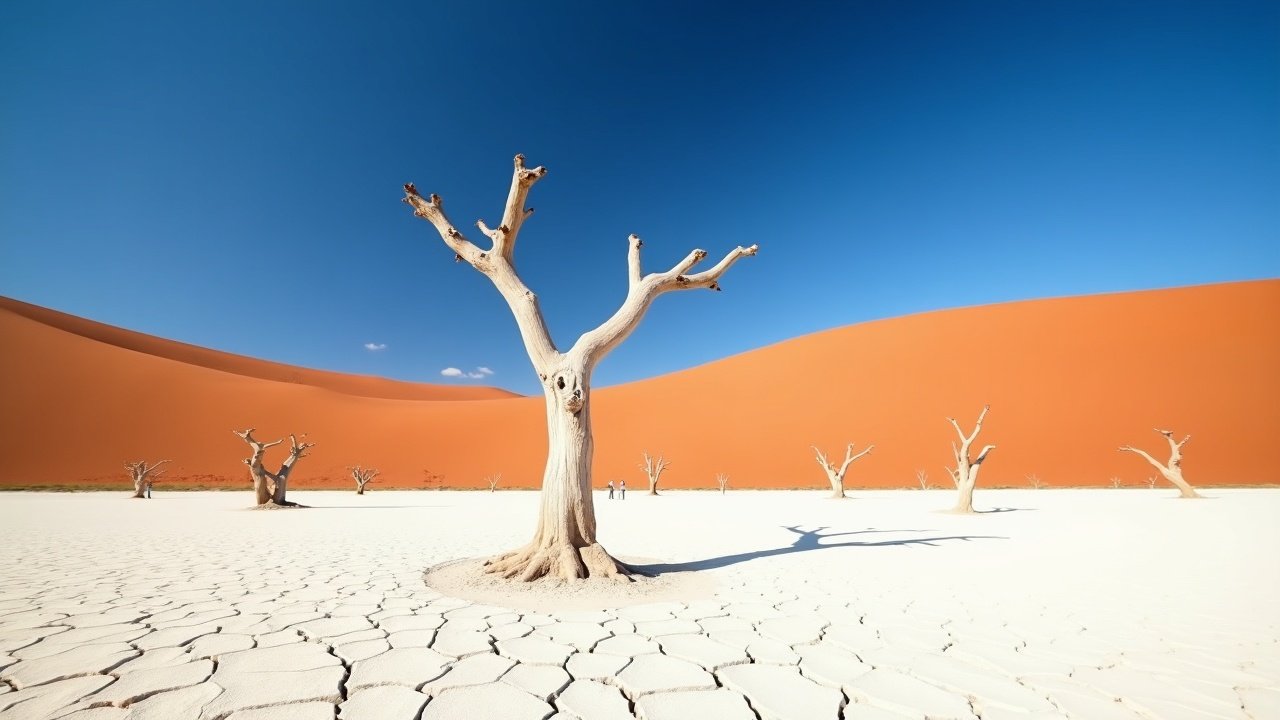
Climbing Dune 45 at dawn was honestly one of those moments where I just stood there with my mouth open. The light turns everything this insane shade of orange and the shadows are so sharp they look painted. Deadvlei, with its ancient dead trees, is equally surreal. Spend two full days here — you won’t regret it.
Days 4–5: Swakopmund — Desert Meets the Ocean
From Sossusvlei, I drove north to Swakopmund along one of the most hauntingly beautiful roads I’ve ever been on. This quirky coastal town feels weirdly German — like, there’s actual Bavarian architecture and you can buy apfelstrudel on the main street. It was a bit disorienting but in the best way possible.
I used Swakopmund as my adventure base. Sandboarding down the dunes was a blast, and I also did a kayaking trip in Walvis Bay where we paddled alongside seals and even spotted a few dolphins. Pro tip: book activities a day in advance during peak season (June to October) because they fill up fast.
Days 6–8: The Skeleton Coast and Damaraland
The Skeleton Coast is eerie and magnificent. Shipwrecks rusting in the fog, seals everywhere, and this constant mist rolling in off the Atlantic. I’ll be honest — I got a little spooked driving through there alone.
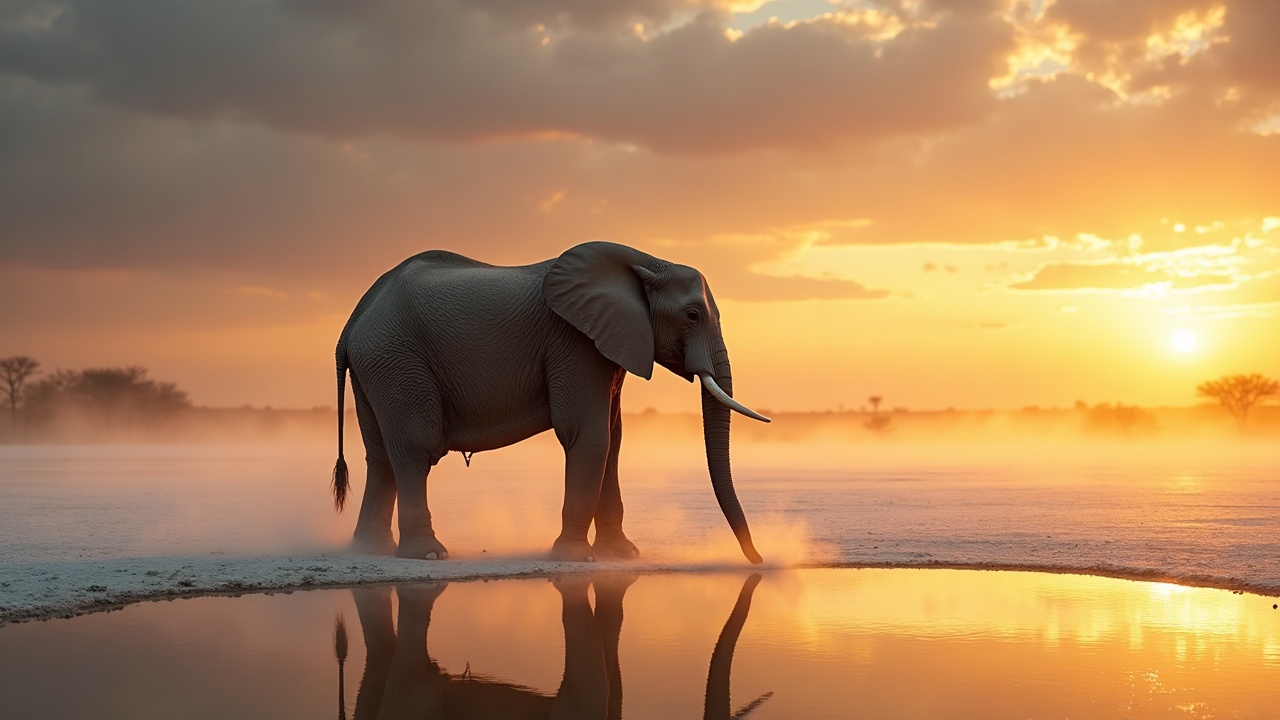
Then I headed inland to Damaraland, which turned out to be one of my favorite parts of the whole Namibia road trip. The Twyfelfontein rock engravings are a UNESCO World Heritage Site and absolutely worth the stop. I also tracked desert-adapted elephants with a local guide, which was humbling in a way I can’t quite describe.
Days 9–12: Etosha National Park Safari
Okay, if there’s one place you absolutely cannot skip on a 14-day Namibia itinerary, it’s Etosha National Park. I spent four days here and could’ve easily stayed longer. The self-drive safari setup is perfect — you just cruise between waterholes and wait for the animals to come to you.
I saw lions, elephants, giraffes, zebras, and even a leopard lounging in a tree. The floodlit waterholes at Okaukuejo and Halali camps are pure magic at night. I sat there for hours watching rhinos come in to drink while jackals skulked around the edges. Honestly one of those pinch-me moments.
Days 13–14: Return to Windhoek and Final Reflections
The drive back to Windhoek from Etosha is about four to five hours. I used my last afternoon to explore the Craft Centre in town and pick up some handmade souvenirs. A cold drink at a rooftop bar watching the sunset over the city was the perfect way to close things out.
Your Namibia Adventure Starts With a Plan
Look, my two weeks in Namibia wasn’t perfect — I got a flat tire outside Solitaire, underestimated how cold the desert gets at night, and definitely should’ve packed more snacks. But that’s kind of the beauty of it. This itinerary is a framework, so feel free to tweak it based on your interests and pace.
Advertisements
Just remember to respect the wildlife and local communities, carry enough water and fuel between towns, and always let someone know your route. Namibia is remote and that’s what makes it special, but it also means you need to be prepared.
If you’re hungry for more travel planning tips and destination guides, swing by Wander Tactics — we’ve got plenty of posts to help you plan your next big adventure!