
Advertisements
Here’s a fun stat for you — Iceland receives over 2 million tourists a year, and honestly, a good chunk of them show up at the wrong time for what they actually want to do. I know because I was one of them! I booked my first trip in November thinking I’d get the “full Iceland experience,” and let me tell you, driving the Ring Road in near-total darkness with sideways rain hitting my rental car was not the postcard moment I had in mind.
So let’s break this down properly. Because the best time to visit Iceland really depends on what you’re after, and I wish someone had told me that before I packed my suitcase.
Summer in Iceland (June–August): The Golden Window
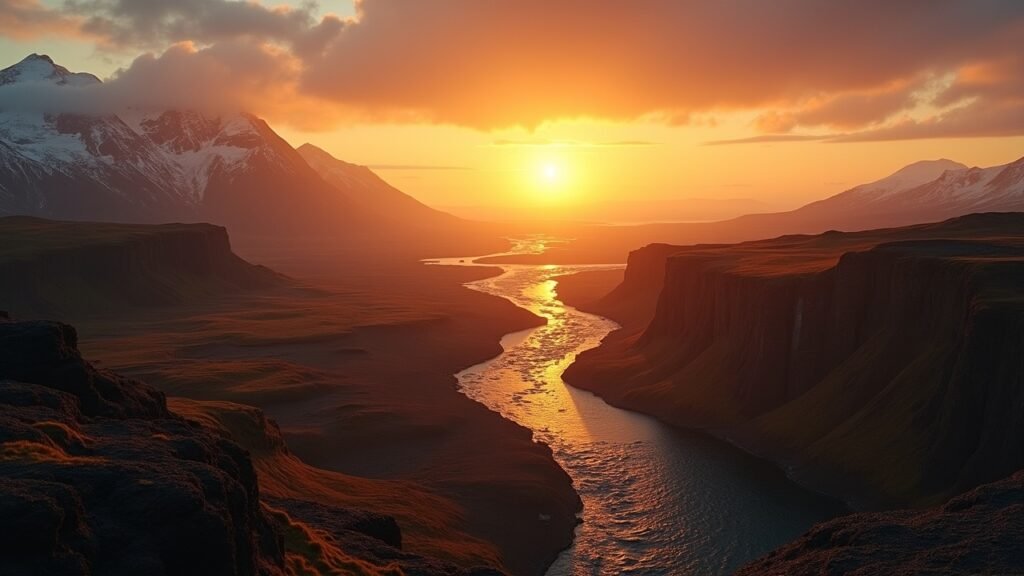
If you’re a first-timer, summer is probably your safest bet. The weather is the mildest it gets — we’re talking average temperatures around 10–15°C (50–59°F), which, yeah, still cool but totally manageable. The big draw? The midnight sun. Nearly 24 hours of daylight means you can hike Landmannalaugar at 11 PM and still see everything perfectly.
I visited in late June once and it honestly messed with my sleep schedule so bad. Like, your brain just refuses to shut down when the sun is still hanging out at 1 AM. But the tradeoff is worth it — puffins are nesting, the highland roads (F-roads) are finally open, and you can actually drive the entire Ring Road without worrying about road closures.
The downside? Summer is peak tourist season. Prices for accommodation skyrocket and popular spots like the Golden Circle get pretty crowded. Book everything at least 3–4 months in advance. Trust me on this one.
Winter in Iceland (November–February): Northern Lights and Ice Caves
Now, if chasing the northern lights is your whole reason for going, winter is when the magic happens. The long, dark nights give you the best chance of spotting the aurora borealis, especially between September and March. I finally saw them on my second trip in January, and I’m not exaggerating when I say I teared up a little.
Winter is also when the stunning blue ice caves inside Vatnajökull glacier are accessible. That was honestly one of the most surreal things I’ve ever experienced. However — and this is a big however — winter weather in Iceland is brutal and unpredictable.
Roads get closed without warning. Daylight is limited to maybe 4–5 hours in December. Driving conditions can be genuinely dangerous if you’re not prepared. I’d recommend sticking to guided tours and the southern coast rather than attempting the full Ring Road. The Icelandic Road Administration website became my best friend during that trip.
The Sweet Spots: Shoulder Seasons (September–October and April–May)
Here’s where my real recommendation lives. The shoulder seasons are, in my opinion, the actual best time to visit Iceland for most travelers. You get a bit of everything without the extremes.
In September and early October, the crowds thin out dramatically but the weather hasn’t gone completely sideways yet. You might catch the northern lights AND still have decent daylight hours for sightseeing. Plus the autumn colors in places like Þingvellir National Park are absolutely gorgeous.
April and May bring longer days, melting snow revealing those dramatic landscapes, and way cheaper flights and hotels than summer. I scored a round-trip flight for almost half the summer price by going in late April. The only catch is some highland roads might still be closed, so you’ll need to check conditions before planning any interior routes.
Quick Season Comparison
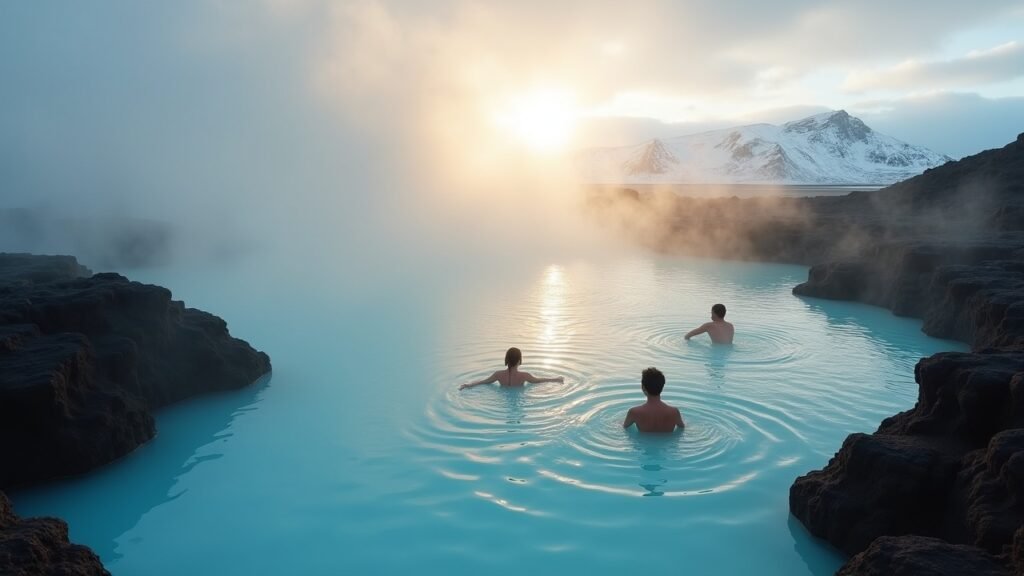
- Best for northern lights: October–March
- Best for wildlife and puffins: June–August
- Best for budget travelers: April–May or September–October
- Best for ice caves: November–March
- Best overall experience: September (my personal pick)
So, When Should YOU Go?
Look, there’s genuinely no wrong time to visit Iceland — just wrong expectations. Figure out what matters most to you, whether it’s northern lights, midnight sun, budget savings, or fewer crowds, and plan around that. And please, check the weather forecast obsessively. Iceland weather changes every five minutes, and that’s barely an exaggeration.
Advertisements
Whatever you decide, layer up and stay flexible. That’s the real secret. If you’re looking for more destination guides and travel tips to help plan your next adventure, head over to the Wander Tactics blog — we’ve got plenty more where this came from!