
Advertisements
Here’s a stat that still makes me cringe — the average American spends around $2,000 per person on a domestic vacation. And honestly? I used to blow way past that number without even realizing it. Travel budget planning changed everything for me, and I’m not being dramatic. It’s the difference between coming home with great memories and coming home to a credit card statement that ruins your whole month!
Why Most People Fail at Budgeting for Travel

Let me be real with you. The first time I tried to plan a trip budget, I wrote down “flights” and “hotel” on a napkin and called it a day. I completely forgot about ground transportation, meals, activities, and those sneaky little expenses like airport parking or travel insurance.
Most people underestimate their travel costs by about 30-40%. That’s not a small margin. The problem is we budget for the big stuff and totally ignore the daily spending that adds up fast — a coffee here, a souvenir there, and suddenly you’ve spent $200 on things you can’t even remember buying.
Start With Your Total Trip Cost Estimate
Before anything else, figure out how much you can actually afford to spend. I know, boring. But it works.
I personally use the Budget Your Trip website to get average daily costs for almost any destination in the world. It breaks things down into accommodation, food, transportation, and entertainment so you’re not just guessing.
- Decide your total budget ceiling first — the absolute max you’ll spend.
- Research average daily costs for your destination.
- Multiply daily costs by the number of travel days.
- Add a 15% buffer for unexpected expenses (trust me on this one).
That buffer saved me in Portugal last year when I got hit with an unexpected toll fee driving through some highway I didn’t even realize was a toll road. Lesson learned.
Break Your Budget Into Categories
This is where the magic happens. Once you know your total number, split it into specific categories. I’ve been doing this for years and it keeps me sane.
- Flights or transportation: Usually 30-40% of the total budget.
- Accommodation: Around 25-30%, depending on your style.
- Food and drinks: Budget about 20-25%.
- Activities and excursions: 10-15%.
- Miscellaneous: That 15% buffer I mentioned earlier.
One mistake I used to make was lumping food and activities together. Don’t do that. They’re completely different spending categories and tracking them separately gives you way more control over your vacation expenses.
Use Tools That Actually Help
Spreadsheets are fine if you’re into that sort of thing. I’m not. I tried, and I abandoned every single one by day two of my trips.
Instead, I started using apps like TripCoin to track expenses in real time. You just pop in what you spent, and it categorizes everything for you. It even handles multiple currencies, which was a lifesaver when I was hopping between countries in Southeast Asia.
Another trick that’s been weirdly effective? I withdraw a set amount of cash for daily spending and leave my cards at the hotel. When the cash is gone, I’m done spending for the day. Old school, I know. But it works better than any app sometimes.
Don’t Forget the Pre-Trip Costs
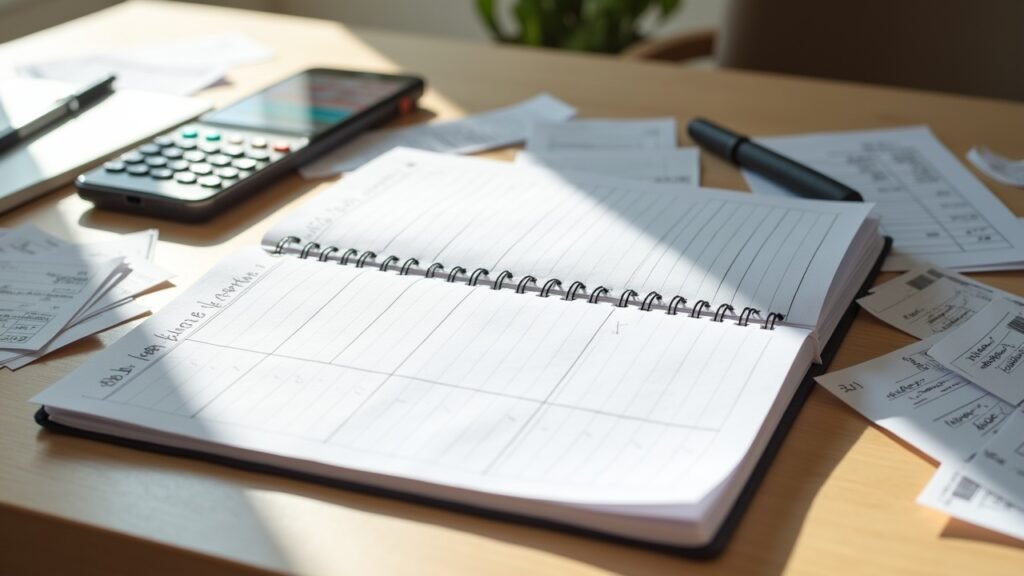
Here’s something that gets overlooked constantly. Your trip budget isn’t just what you spend at the destination. There’s stuff like travel insurance, visa fees, vaccinations, new luggage, and even those travel-sized toiletries that somehow cost $8 each.
Advertisements
I once forgot to budget for a visa to Vietnam and had to scramble to pay the $25 fee at the airport. Not a huge deal, but it was annoying and totally avoidable. Write down every pre-trip expense and include it in your overall cost breakdown.
Your Budget Is Your Travel Superpower
Look, travel budget planning isn’t about restricting yourself — it’s about giving yourself permission to enjoy your trip without that nagging anxiety about money. Customize these tips to fit your travel style, whether you’re a backpacker or a boutique-hotel kind of person. Just be honest about what you can afford and plan accordingly.
And hey, if you want more practical tips like this, head over to Wander Tactics where we’re always cooking up new ways to help you travel smarter. Your wallet will thank you!