Best Time to Visit Patagonia: What I Wish Someone Had Told Me Before Booking
Advertisements
Here’s a fun fact that absolutely wrecked my first trip — Patagonia’s seasons are flipped compared to North America and Europe. I showed up in July thinking I’d get gorgeous summer weather, and instead I was met with freezing winds, closed trails, and a whole lot of regret. If you’re planning a trip to this incredible corner of South America, knowing the best time to visit Patagonia is honestly the single most important decision you’ll make.
So let me save you the headache I gave myself. I’ve been to Argentine Patagonia twice now and Chilean Patagonia once, and I’ve learned a ton about weather patterns, crowd levels, and when things are actually open down there. Let’s break it all down.
Patagonia’s Peak Season: December to February
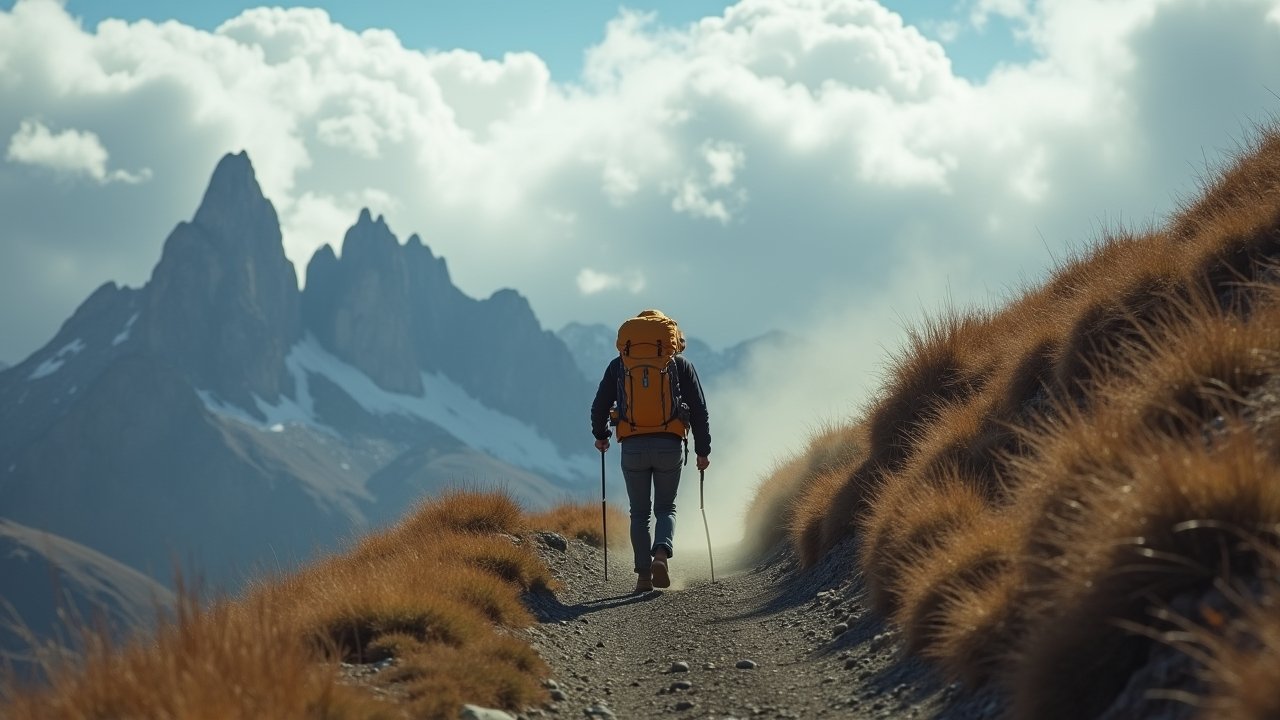
The Patagonian summer runs from December through February, and this is hands-down the most popular time to go. Temperatures hover between 50°F and 72°F, the days are super long (think 17 hours of daylight!), and nearly every trail, campsite, and tour is fully operational. If you’re dreaming of hiking Torres del Paine or trekking around El Chaltén, this is your window.
But here’s the catch. Peak season means peak crowds. I visited in January once and the W Trek was honestly packed — like, waiting-in-line-for-refugios packed.
Prices also skyrocket during these months. We’re talking double or even triple the cost for accommodation in places like Puerto Natales. So yeah, the weather’s great, but your wallet might not agree.
The Sweet Spot: October to November and March to April
If I had to pick the absolute best time to visit Patagonia, I’d say the shoulder seasons are where the magic happens. October and November bring spring wildflowers, melting glaciers feeding turquoise rivers, and way fewer tourists on the trails. March and April? You get stunning autumn foliage — the lenga trees turn this insane shade of red and orange that honestly looks fake in photos.
My second trip was in late March and it was a total game-changer. The weather was a bit cooler, sure, and some days were windy as heck. But I had entire viewpoints to myself, and that feeling of solitude in a place like Los Glaciares National Park is something I’ll never forget.
One thing to keep in mind though — some services start shutting down in April. A few campgrounds close, and bus schedules get reduced. So plan accordingly and book things in advance.
Winter in Patagonia: May to September
This is when I made my rookie mistake. Patagonian winter is harsh, y’all. Temperatures can drop well below freezing, snowstorms are common, and many trails are simply closed for safety reasons. Most trekking routes in Torres del Paine shut down, and even getting to some towns becomes a logistical nightmare.
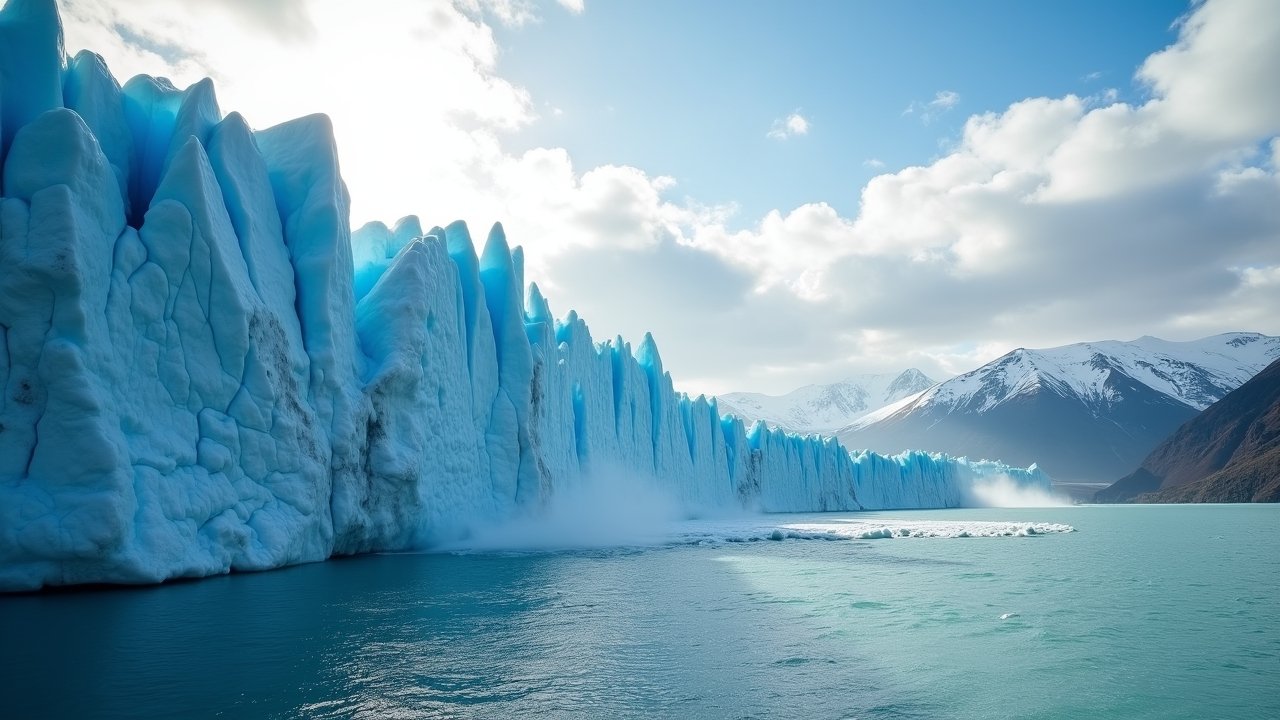
That said, it’s not all bad. If you’re into snow sports or want to see glaciers in a completely different light, winter has its own kind of raw beauty. Plus, the few lodges that stay open offer seriously discounted rates. Just don’t expect to do any serious hiking.
Quick Seasonal Breakdown
- December–February (Summer): Best weather, longest days, biggest crowds, highest prices.
- October–November (Spring): Wildflowers, fewer tourists, some services still opening up.
- March–April (Autumn): Gorgeous fall colors, thinner crowds, cooler temps, some closures.
- May–September (Winter): Cold, limited access, budget-friendly, stunning snow landscapes.
So When Should You Actually Go?
Look, there’s no single perfect answer because it really depends on what you’re after. Want guaranteed good weather and don’t mind crowds? Go in January. Want solitude and don’t mind layering up? March is your month. The best time to visit Patagonia is ultimately the time that matches your travel style and priorities.
Whatever you choose, please respect the environment down there. Patagonia is fragile, and things like staying on marked trails and packing out your trash really do matter. Also double-check trail conditions with CONAF or local park offices before heading out — weather changes fast and it can be dangerous if you’re unprepared.
Advertisements
If you found this helpful, make sure you check out more travel planning guides over at Wander Tactics — we’ve got tons of destination breakdowns and practical tips to help you plan smarter trips. Happy trails!