
Advertisements
Traveling With Chronic Illness Tips: What I Wish Someone Told Me Sooner
Did you know nearly 6 in 10 adults live with at least one chronic condition, according to the CDC? That’s a whole lot of us trying to see the world while also managing meds, flare-ups, and unpredictable bodies! I’ve been there, packing a suitcase half full of clothes and half full of pill organizers, wondering if this trip was even a good idea. Spoiler: it usually is, but only if you plan smart.
My First Big Trip Was a Total Mess (And That’s Okay)
I remember flying to Portugal three years ago with my autoimmune condition acting up the entire flight. I hadn’t packed extra meds in my carry-on, rookie mistake, and my checked bag got delayed for two days. I sat in a tiny Lisbon apartment sweating through a flare with zero backup supplies. Lesson learned the hard way, honestly.
That trip taught me more than any travel blog ever could. Now I over-prepare, and I mean over-prepare, because winging it just doesn’t work when your body has other plans.
Pack Smarter, Not Just Lighter
Everyone talks about packing light, but when you’re dealing with chronic illness, that advice kinda goes out the window. You need your stuff, and that’s fine.
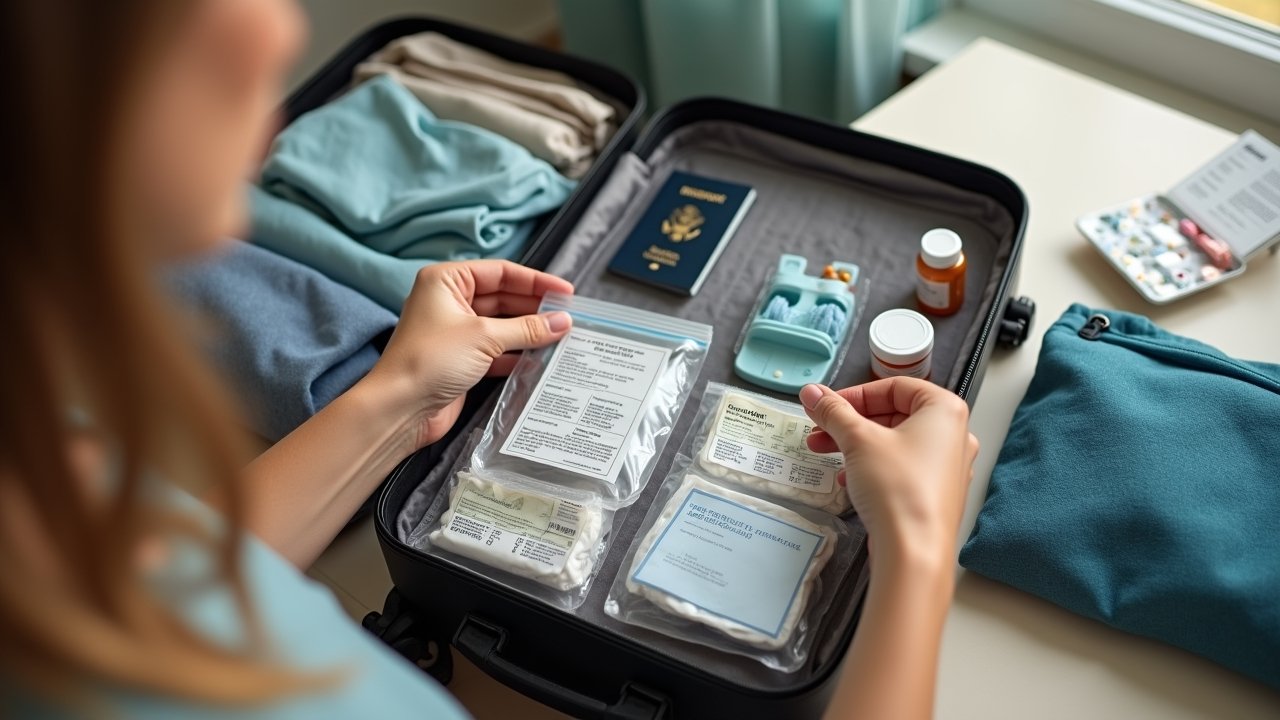
- Always keep a full week of medication in your carry-on, never checked luggage
- Bring a doctor’s note explaining your condition and meds, especially for international travel
- Pack a small “emergency kit” with electrolytes, pain relief, and any device you rely on
- Use a pill organizer labeled by day, it sounds extra but it saves your sanity
I also started using apps like TripIt to keep all my confirmations and pharmacy info in one place. It’s a game changer when your brain is foggy from fatigue and you can’t remember where you saved that prescription PDF.
Choosing Destinations That Won’t Wreck You
Not every place is created equal when you’re managing a chronic illness. Some cities are just easier, better healthcare access, walkable but not exhausting, and decent public transit for when you can’t handle a ten-block walk.
I made the mistake once of booking a trip to a remote hiking town without checking hospital access nearby. Big oof. Now I always look up the nearest clinic or hospital before booking anything, and I check sites like the CDC Travel Health page for country-specific health info.
Questions I Ask Before Booking
- Is there reliable medical care nearby?
- How walkable is the area, and are there rest spots?
- What’s the climate like, heat and humidity can trigger flares for some conditions
- Is travel insurance available that covers pre-existing conditions?
Travel Insurance Is Not Optional, Trust Me
I skipped travel insurance once thinking I’d save fifty bucks. Then I ended up in an ER in another country and paid out of pocket, it was brutal. Now I never travel without insurance that specifically covers pre-existing conditions, even if it costs a little more upfront.
Companies like Squaremouth let you compare policies side by side, which honestly made my life so much easier. Read the fine print though, some policies exclude flare-ups of existing conditions unless you buy specific coverage.
Pacing Yourself Is the Real Secret
This one took me forever to learn. I used to plan trips like I was still 22 and invincible, five cities in seven days, go go go. My body hated me for it every single time.
Now I build in rest days, actual do-nothing days, between activities. I also stopped feeling guilty about it. Slow travel isn’t lazy, it’s necessary, and honestly it’s made my trips way more enjoyable anyway.
- Schedule one rest day for every two to three active days
- Avoid tightly packed itineraries with back-to-back activities
- Choose accommodations with kitchens so you’re not always eating out or waiting for food
- Tell your travel companions upfront about your pacing needs, don’t wait until you’re already struggling
Talking to Airlines and Hotels Ahead of Time
Advertisements
I used to be embarrassed to ask for accommodations. Now I just email hotels ahead of time asking for ground floor rooms or accessible bathrooms, and I contact airlines about medical equipment or extra legroom needs. Most of the time, they’re way more accommodating than I expected.
Organizations like Disability Rights UK have solid resources on what accommodations you’re entitled to ask for when traveling, even if you’re not disabled in the traditional sense but managing a chronic illness.
It’s About Freedom, Not Perfection
Traveling with a chronic illness isn’t about eliminating every risk, that’s impossible honestly. It’s about giving yourself the tools, the backup plans, and the grace to adjust when things don’t go perfectly. Every trip teaches you something new about your own limits and needs, so take what works for you and toss what doesn’t.
Always double check current health guidelines