Advertisements
How to Eat Street Food Safely (Without Ruining Your Trip)
Did you know the World Health Organization estimates that 600 million people get sick every year from contaminated food? That’s a wild number, and honestly, it made me pause before I bit into my first Bangkok skewer years ago! But here’s the thing – street food is also one of the best ways to actually taste a country, not just visit it. I’ve eaten my way through markets in Mexico City, Hanoi, and Marrakech, and I’ve learned (sometimes the hard way) how to do it without spending my vacation glued to a toilet.
So let’s talk about how to eat street food safely, because avoiding it entirely means missing out on some of the best meals of your life.
Why Street Food Gets Such a Bad Rap
People hear “street food” and immediately think dirty hands, flies everywhere, and mystery meat. And look, sometimes that fear is justified. I once watched a guy in Delhi wipe his hands on a rag that had clearly not been washed since the Obama administration. But that’s not the norm, it’s the exception.
Most street vendors take pride in their food. It’s their livelihood, their reputation, their whole business is built on people coming back. A vendor with a line of locals waiting isn’t messing around with food safety, they can’t afford to.
Look for the Lines (Seriously, This Works)
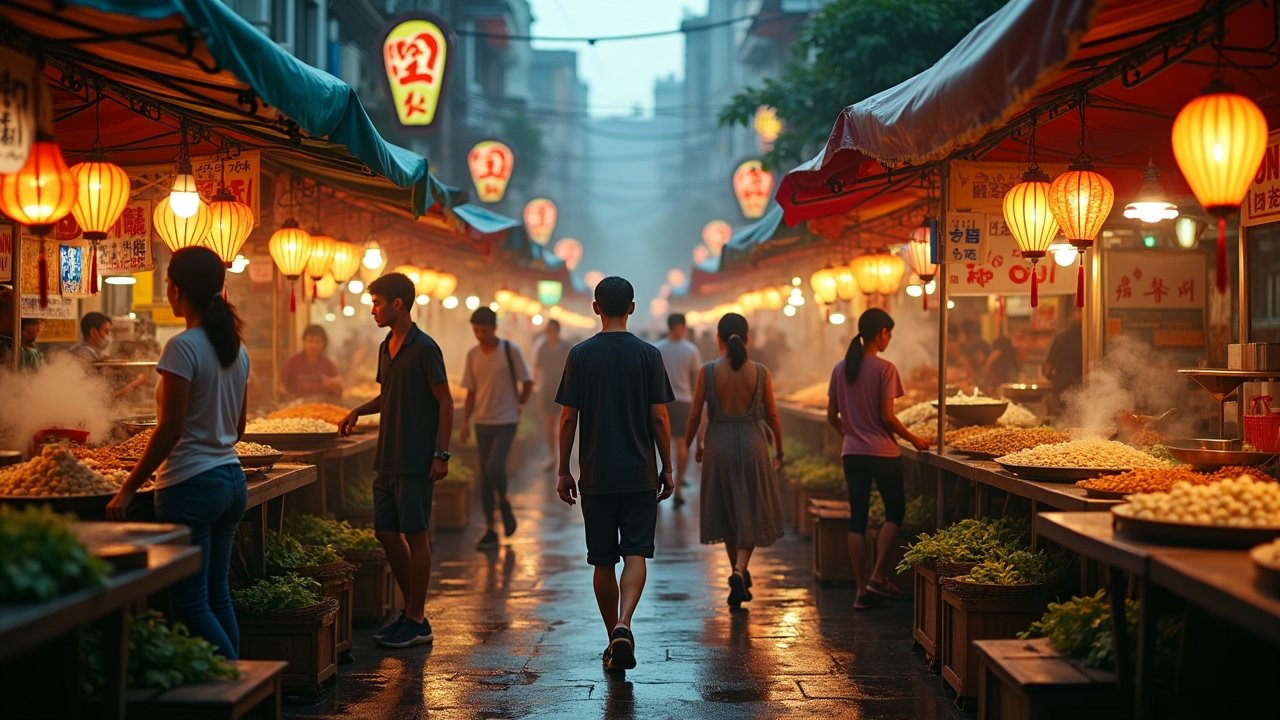
My golden rule, and I stole this from a random backpacker I met in Vietnam years ago, is simple: eat where the locals eat. If there’s a long line of local people waiting, that’s basically a food safety certificate written in human behavior.
I learned this the hard way in Chiang Mai. I picked an empty stall because it was closer to my hostel and honestly, I was lazy. Big mistake. Spent the next day curled up next to the AC unit, questioning my life choices. Meanwhile my friend ate at the busy cart down the street and was totally fine.
- Busy stalls mean high turnover, so food isn’t sitting around
- Locals know which vendors are trustworthy
- High demand usually means fresher ingredients
Watch How the Food Is Cooked
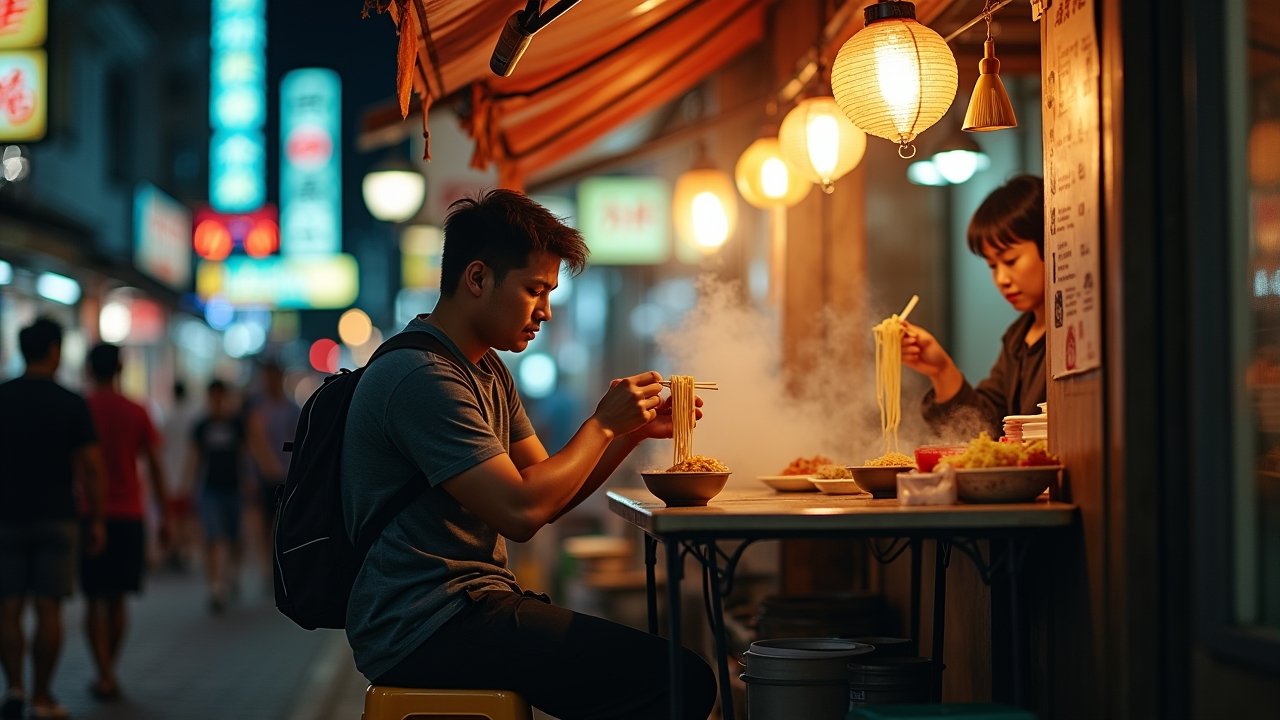
This one’s huge and it’s the tip I give everyone now. Food that’s cooked fresh in front of you, sizzling on a hot grill or bubbling in oil, is generally your safest bet. The heat kills off most of the nasty bacteria that could wreck your stomach.
Be more cautious with food that’s been sitting out, especially anything with dairy, mayo, or raw vegetables that could’ve been washed in questionable water. I always eyeball the setup before ordering. Is there a clean prep area? Are raw and cooked meats kept apart? Little details like that tell you a lot.
Water and Ice: The Silent Troublemakers
Honestly, the food usually isn’t the main issue, it’s the water. Ice cubes made from tap water in places where you shouldn’t drink tap water is a classic rookie mistake, and I’ve made it more than once. In Peru, I ordered a fresh juice, forgot to ask about the ice, and paid for it later.
Now I stick to bottled water, and if I want something cold, I ask if the ice is made from purified water. Most tourist-friendly vendors will know exactly what you’re asking and appreciate that you’re being careful. The CDC has a solid breakdown on food and water safety abroad if you want to get nerdy about it before your next trip.
Peel It, Cook It, or Skip It
There’s an old traveler’s saying that’s stuck with me: “Boil it, cook it, peel it, or forget it.” It sounds a little dramatic, but it’s not far off.
- Fruits you can peel yourself (bananas, oranges, mangoes) are usually safe
- Anything boiled or fried at high heat kills most bacteria
- Raw salads or pre-cut fruit sitting in the sun? Proceed with caution
Advertisements
I still remember turning down a beautifully cut fruit cup in Marrakech because it had been sitting in the heat for who knows how long. Felt bad saying no, but my stomach thanked me later.
Ease Into It, Don’t Go All In on Day One
Here’s something nobody tells you: your gut needs time to adjust. I’ve made the mistake of landing somewhere and immediately going full send on the spiciest, most unfamiliar dish available. Rookie move. Give your stomach a day or two to adapt, especially if you’re somewhere with a totally different cuisine than what you’re used to.
Pack some basic probiotics or digestive aids too, just in case. It’s not glamorous travel advice, but trust me, future you will be grateful.
Trust Your Gut (Literally and Figuratively)
At the end of the day, a lot of this comes down to instinct. If something smells off, looks weird, or the vendor seems sketchy, just walk away. There’s always another stall. I’ve turned down food that looked questionable and never regretted it, but I have regretted ignoring my gut feeling more than once.
Street food safety isn’t about being paranoid, it’s about being smart. Use your eyes, your nose, and honestly, your common sense.
Eating street food is genuinely one of the best parts of traveling, and with a little caution, you don’t have to miss out on it. Take these tips, adjust them to wherever you’re headed, and always remember that being a bit careful now means way more fun later. And hey, if you want more real-world travel tips like this, come hang out over at the Wander T