Advertisements

Splitting Costs on Group Travel Without Losing Your Mind (or Your Friends)
Here’s a fun fact: a study from Bankrate found that money is one of the top reasons friendships fall apart during group trips. Yikes! I learned this the hard way on a trip to Portugal with five college buddies back in 2019. Splitting costs for group travel sounds simple until you’re standing in a hostel lobby at midnight arguing about who owes what for a taxi ride three days ago.
This stuff matters more than people think. Money drama can ruin an otherwise perfect trip, and honestly, it’s totally avoidable if you set things up right from the start!
My Portugal Disaster (And What I Learned)
So there we were, six friends, one shared Airbnb, and zero plan for splitting expenses. Big mistake. I ended up fronting almost $400 for groceries and gas because I “had the corporate card with points,” which seemed smart at the time. It wasn’t.
By day four, nobody remembered who paid for what. Sarah swore she’d paid for dinner Tuesday, but Mike disagreed. I just wanted my money back, ya know? We spent an entire evening doing mental math instead of enjoying sangria on the patio.
Pick a Splitting Method Before You Even Book Flights
This is the biggest lesson I took away. You gotta decide upfront how costs will be divided. There’s a few common approaches, and each works better for different group dynamics.
- Equal split: everyone pays the same amount regardless of what they individually consumed
- Itemized split: you only pay for what you actually used or ordered
- Percentage split: costs divided based on income or agreed contribution levels
- Rotating payer: one person covers each expense category, rotates throughout the trip
For most friend groups, equal split works fine for shared stuff like the Airbnb or rental car. But food? That should probably be itemized because not everyone drinks $15 cocktails, and that’s fair.
Apps That Actually Saved My Sanity
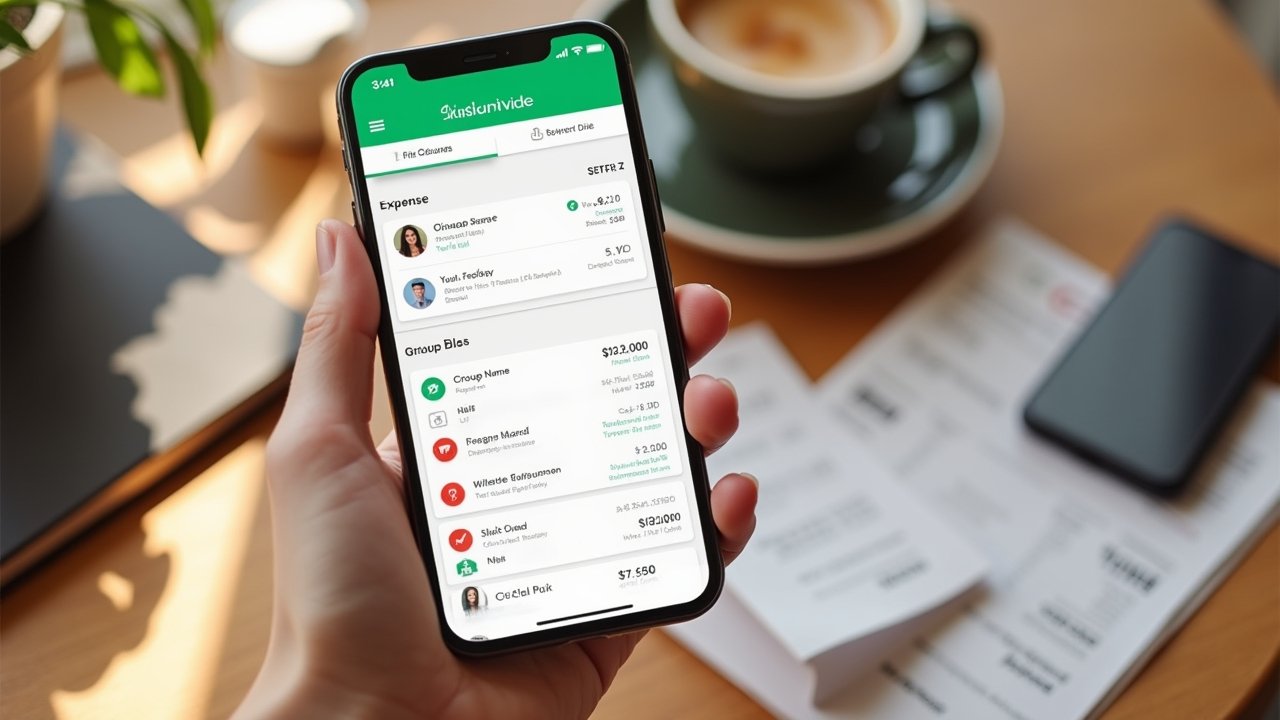
After the Portugal fiasco, I discovered Splitwise and honestly, it changed everything. You just log expenses as they happen, and the app calculates who owes who at the end. No more mental gymnastics or awkward IOU conversations.
I’ve used it on four trips since then. Works like a charm, mostly. There was one time in Thailand where my phone died and I forgot to log a taxi fare, so that got a little messy, but overall it’s been a game changer.
Other Tools Worth Trying
- Venmo or Zelle for instant payments between friends
- Google Sheets shared document for old-school trackers
- Tricount app, which is popular in Europe and works similarly to Splitwise
Whatever you pick, just make sure everyone actually uses it. I’ve seen groups download an app and then completely ignore it, which defeats the whole purpose.
Set Ground Rules Early, Like Really Early
Before you even book anything, have “the money talk” with your group. I know, it feels awkward. Nobody wants to be that person bringing up finances before a fun vacation, but trust me, it’s way more awkward mid-trip.
Talk about budget expectations. Some friends want to splurge on fancy dinners while others are counting every euro. That mismatch causes real tension if it’s not addressed upfront.
- Discuss overall budget range for the trip
- Decide who books what (flights, hotels, activities)
- Agree on a splitting method before departure
- Set a deadline for settling up after the trip ends
Handle Big Purchases Carefully
Advertisements
For big-ticket items like group Airbnbs or rental cars, I always suggest having one person book and collect money upfront from everyone else. This way there’s no scrambling for reimbursement after the trip is over, when people are back to their busy lives and less motivated to pay you back quickly.
I made this mistake once, waited three weeks to get paid back for a rental car deposit. Never again. Now I collect funds before booking, period.
What About Uneven Spending Habits?
This is tricky. Some people want the budget hostel, others want the four-star resort. Honestly, there’s no perfect solution here, but communication helps a ton.
My advice? Split shared costs (lodging, transportation) equally, but let people opt out of pricier group activities without judgment. If someone doesn’t want to pay for the $80 wine tour, that’s totally fine. Nobody should feel pressured into spending beyond their means just to keep up with the group.
Making Group Trips Actually Enjoyable
At the end of the day, splitting costs for group travel doesn’t have to be a nightmare. With the right planning, some upfront conversations, and a good tracking app, you can avoid most of the drama I dealt with in Portugal.
Every group is different, so feel free to adjust these tips to fit your specific travel crew. What works for six college friends might not work for a family reunion trip. Just remember to prioritize clear communication and fairness, and always keep safety and honesty at the center of your financial arrangements with friends.
Want more tips on making your next adventure smoother? Check out more travel advice over at the Wander Tactics blog for everything from packing hacks to itinerary planning!