
Advertisements
Here’s a fun stat that blew my mind — over 700 million tourists visit Europe every single year. That’s an insane number, right? And honestly, when you go makes all the difference between the trip of a lifetime and a sweaty, overcrowded nightmare. I learned this the hard way back in 2019 when I dragged my family to Rome in mid-August. Big mistake. Huge.
So let me walk you through the best time to visit Europe based on what I’ve actually experienced. Because trust me, timing is everything.
Summer in Europe: The Obvious Choice (That’s Not Always the Best)
Look, June through August is when everyone and their grandma heads to Europe. The weather is gorgeous, days are long, and everything is open. But here’s the thing — it’s also peak tourist season, which means higher prices and shoulder-to-shoulder crowds at places like the Louvre or the Colosseum.
That August trip to Rome I mentioned? It was literally 40°C and the lines were unbearable. My kids were melting, I was cranky, and we spent half the day just looking for shade. If you absolutely have to travel in summer, try heading to Northern Europe instead — places like Scandinavia, Scotland, or the Baltics are way more pleasant and less packed.
Spring: My Personal Sweet Spot
If you ask me, late April through early June is the best time to visit Europe. Full stop. The weather is mild, flowers are blooming everywhere, and the tourist crowds haven’t fully descended yet.
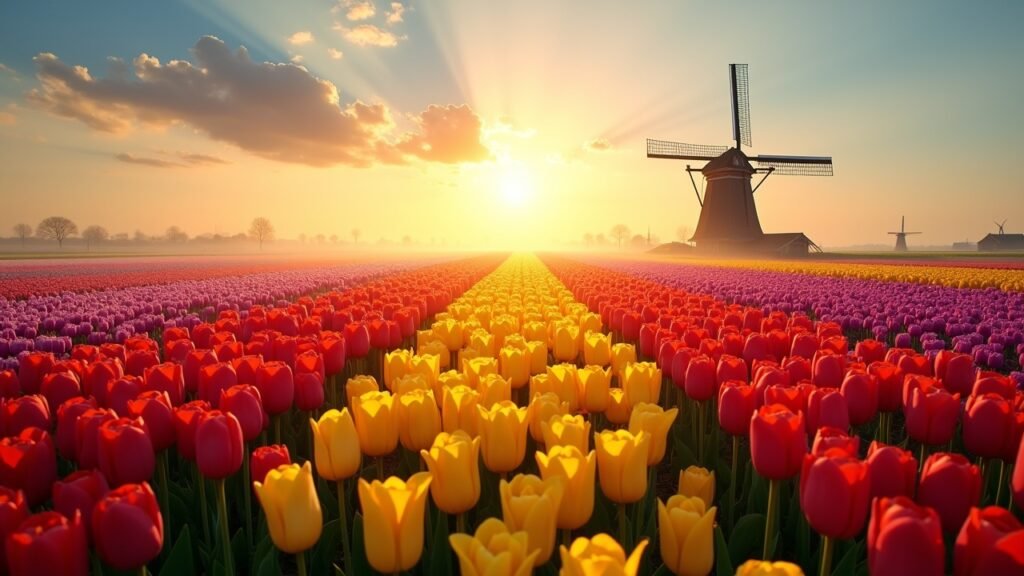
I visited the Netherlands in late April once, right during tulip season, and it was genuinely magical. The Keukenhof Gardens were in full bloom and I didn’t have to fight for a photo spot. Flights and hotels were also noticeably cheaper compared to summer rates.
Spring is also perfect for hiking in places like the Swiss Alps or exploring Mediterranean coastlines before they get swamped. Just pack layers — mornings can still be a bit chilly.
Fall: Europe’s Best-Kept Secret
September and October are seriously underrated. The summer heat has died down, kids are back in school, and European cities feel more… local, if that makes sense. You can actually sit at a café in Paris without being elbowed by a tour group.
I spent two weeks in Portugal last October and it was perfection. Lisbon was warm enough for t-shirts, the wine harvest was happening in the Douro Valley, and Airbnb prices had dropped by like 30%. Plus, the fall foliage across Central Europe — think Bavaria, Austria, Czech Republic — is absolutely stunning.
One thing to watch out for though: some smaller attractions and island ferries start reducing their schedules after mid-October. Always check ahead so you don’t show up to a closed museum like I did in Crete. That was annoying.
Winter: Not for Everyone, But Don’t Write It Off
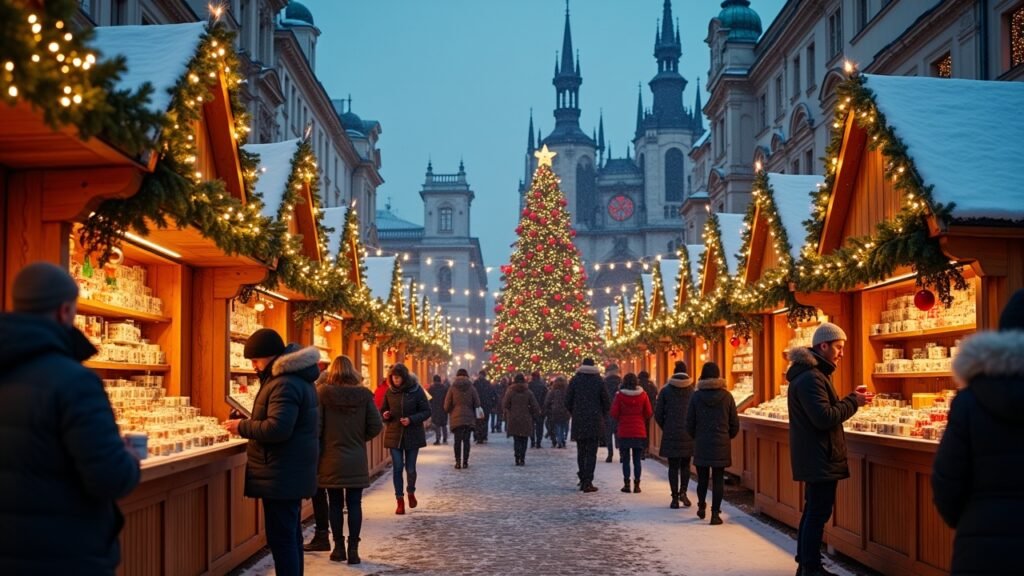
Okay, winter in Europe is cold. Obviously. But hear me out — if you’re into Northern Lights, Christmas markets, or skiing, then November through February can be incredible. European Christmas markets, especially the ones in Germany and Austria, are worth the trip alone.
I visited Vienna in December a few years ago and the whole city felt like a snow globe. Hot mulled wine, roasted chestnuts, twinkling lights everywhere. It was cozy and romantic and honestly one of my favorite travel memories.
Advertisements
The downside? Shorter days mean less sightseeing time, and some beach destinations in Southern Europe basically shut down. But budget travelers will love winter — you can find crazy good deals on flights and accommodation.
Quick Cheat Sheet: When to Go Where
- Beach holidays (Greece, Croatia, Spain): Late May to early September
- City breaks (Paris, London, Rome): April to June or September to October
- Northern Lights (Norway, Iceland): November to March
- Christmas markets (Germany, Austria): Late November to December
- Budget travel across Europe: January to March
So, When Are You Booking?
At the end of the day, the best time to visit Europe really depends on what kind of experience you’re after. There’s no single perfect answer — it’s about matching the season to your travel style, your budget, and what you actually want to see.
My biggest advice? Don’t just default to summer because that’s what everyone does. Be a little adventurous with your timing and you’ll be rewarded with fewer crowds, better prices, and honestly a more authentic experience. Also, always get travel insurance. Always.
If you found this helpful, make sure to check out more travel planning tips over at Wander Tactics — we’ve got a ton of guides to help you plan smarter trips. Happy wandering!