Advertisements
Here’s something that blew my mind the first time I planned a trip to Brazil — the country is so massive that the best time to visit literally depends on where you’re going! I learned this the hard way when I showed up in Salvador during what I thought was the “dry season” and got absolutely drenched for three days straight. So yeah, timing matters a lot, and I’ve spent years figuring out the sweet spots for different regions.
Understanding Brazil’s Seasons (They’re Flipped!)
If you’re coming from the Northern Hemisphere, the first thing you gotta wrap your head around is that Brazil’s seasons are reversed. Their summer runs from December to March, and winter goes from June to September. I remember being so confused my first trip because I packed sweaters for a July visit to Rio de Janeiro — turns out it was their winter, but it was still like 75°F and gorgeous.
Generally speaking, the best time to visit Brazil for most travelers is between June and September. These months bring drier weather to most of the country, fewer mosquitoes, and slightly thinner crowds outside of major holidays. But honestly, there’s no single perfect answer because this country spans multiple climate zones.
Best Time for Rio de Janeiro and the Southeast
Rio is probably the reason most people start googling “Brazil travel tips” in the first place. The sweet spot here is May through October — you get warm days, cooler evenings, and way less rain than the sweltering summer months. I visited Copacabana Beach in August once and it was perfect. Sunny, not too humid, and the water was still totally swimmable.
Now, if you want to experience Carnival in Rio, that happens in February or March depending on the year. It’s an absolutely wild experience but be warned — prices skyrocket and hotels book up months in advance. I made the mistake of trying to find accommodation two weeks before Carnival once. Never again.
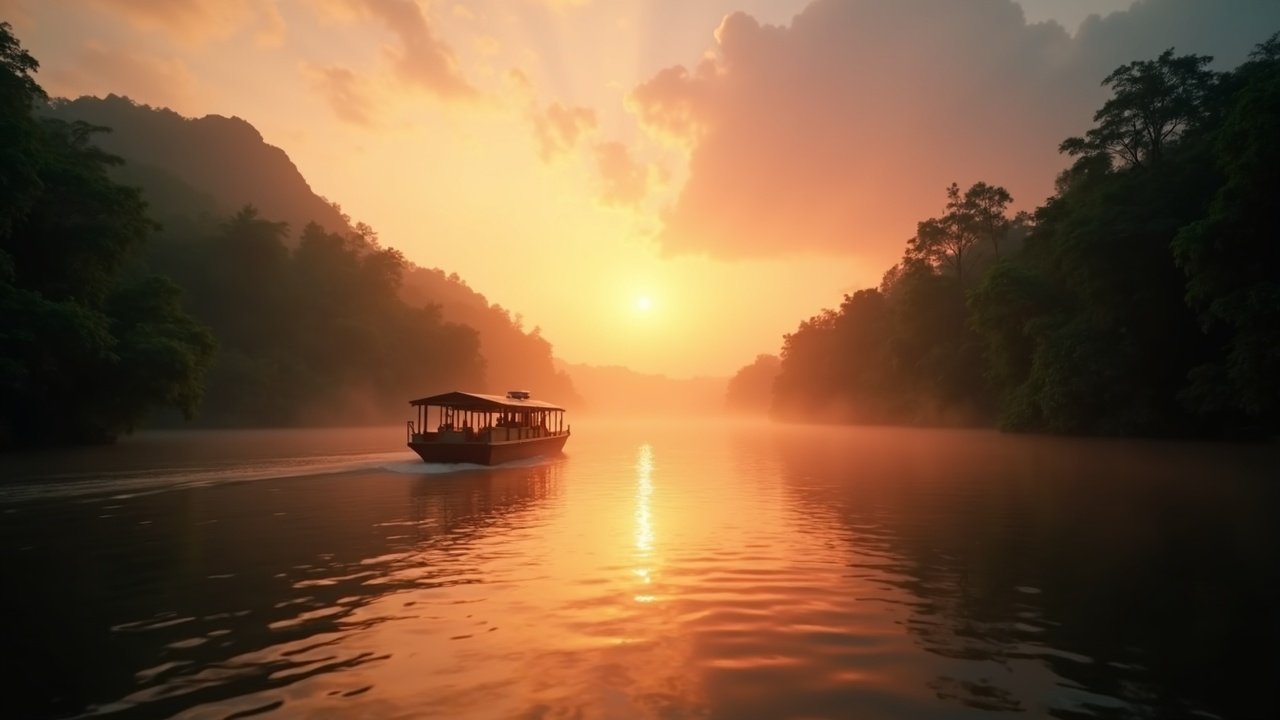
When to Visit the Amazon Rainforest
The Amazon is a whole different beast. The rainy season runs from December to May, and the dry season is from June to November. Here’s the thing though — both seasons have their perks. During the wet season, water levels rise dramatically and you can canoe through the flooded forest, which is honestly one of the coolest things I’ve ever done in my life.
The dry season makes it easier to hike trails and spot wildlife along the riverbanks. If you’re worried about bugs and heat, the drier months are a bit more comfortable. I’d say June through September is the best time to visit the Amazon for first-timers who want a more manageable experience.
Northeast Brazil and Those Stunning Beaches
Places like Fortaleza, Recife, and the gorgeous Chapada Diamantina region have their own rhythm. The northeast tends to be warm year-round, but the driest months are between September and February. I spent two weeks in Jericoacoara in October a few years back and the weather was absolutely flawless — constant sunshine, steady wind for kitesurfing, and barely a cloud in sight.
Quick Seasonal Cheat Sheet
- Rio & Southeast: May–October for pleasant weather; February for Carnival
- Amazon: June–September for dry trails; December–May for flooded forest adventures
- Northeast Beaches: September–February for sun and dry skies
- South (Florianópolis, etc.): December–March for beach weather
- Pantanal Wildlife: July–October when animals gather around shrinking water sources
Pack Smart, Travel Smarter
No matter when you decide to go, Brazil rewards those who plan ahead. Check visa requirements, get your yellow fever vaccination if you’re heading to the Amazon, and always keep an eye on local safety advisories. The country is breathtaking but it demands a little homework — trust me, the payoff is worth every minute spent researching.
Your ideal timing really comes down to what you want to see and do. So take this info, mix it with your own travel style, and build something that works for you. And if you’re hungry for more destination guides and travel planning tips, come explore more posts over at Wander Tactics — we’ve got plenty to help you plan your next adventure!