Advertisements
Here’s a fun stat that blew my mind — Greece gets roughly 30 million tourists a year, and most of them cram into the same two months. I was one of those people my first trip, sweating through Santorini in August like a melted candle. Never again!
Figuring out the best time to visit Greece can honestly make or break your entire vacation. So let me walk you through what I’ve learned the hard way, season by season, so you don’t repeat my mistakes.

Why Timing Matters More Than You Think
Greece isn’t just one vibe. It’s a country of wildly different experiences depending on when you show up. The Greek islands in July feel like a completely different planet compared to Athens in November.
Weather, crowd levels, flight prices, and even which restaurants are open — all of it shifts dramatically. Get the timing right and you’ll feel like you’ve unlocked some kind of travel cheat code.
Peak Summer: June Through August
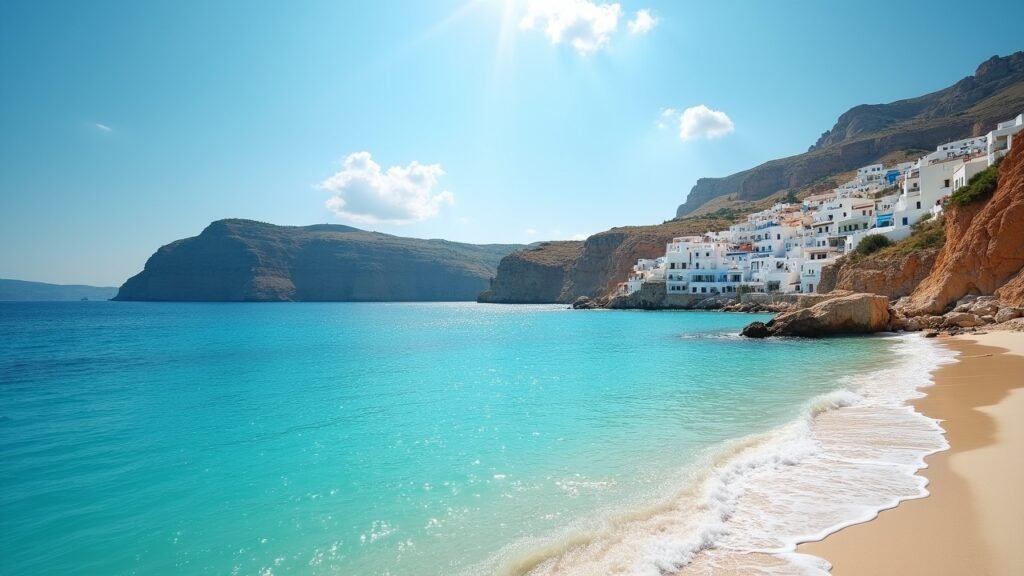
Okay, let’s get the obvious out of the way. Summer is when everyone and their grandmother heads to the Greek islands. The Mediterranean climate is in full force — we’re talking 85–100°F, blazing sun, and crystal-clear water that looks photoshopped.
But here’s the thing. Mykonos and Santorini become absolutely packed. Like, waiting-in-line-for-a-sunset packed. I remember trying to find a spot at Oia for that famous sunset view and it was shoulder-to-shoulder — honestly felt more like a concert than a cliffside.
Hotel prices during peak season can be double or even triple what you’d pay in shoulder months. If you’ve got a big budget and love nightlife and beach parties, go for it. Otherwise, keep reading.
The Sweet Spot: Late April Through Early June
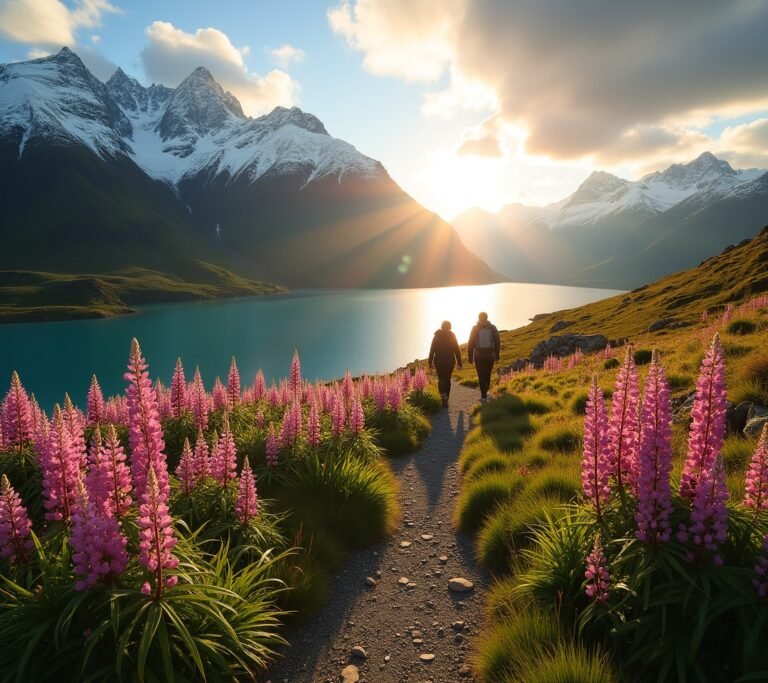
This is my absolute favorite window, and I’ll die on this hill. Late spring in Greece is pure magic. The wildflowers are blooming across Crete, the temperatures hover around a gorgeous 70–80°F, and the tourist crowds haven’t fully arrived yet.
I visited the Acropolis in mid-May once and practically had the place to myself in the early morning. That never happens in July. The Aegean Sea is starting to warm up too, so you can actually swim without that initial shock of cold water.
Plus, flights and accommodation are way more affordable during this shoulder season. I saved almost 40% on a villa in Naxos just by booking for May instead of July. That’s money you could spend on, like, a ridiculous amount of souvlaki.
September and October: The Underrated Gem
If spring doesn’t work for your schedule, early fall is almost equally brilliant. The sea temperature is actually warmer in September than in June because it’s been soaking up heat all summer. The crowds thin out noticeably after the first week of September.
I took a sailing trip through the Cyclades in late September and it was honestly one of the best travel experiences of my life. Tavernas were still open, locals were more relaxed, and the light — oh man, that golden autumn light over the whitewashed buildings was something else entirely.
Advertisements
October can be a bit of a gamble weather-wise though. I got caught in a surprise rainstorm on Rhodes that lasted two full days. So maybe pack a light rain jacket just in case.
Winter in Greece: Not What You’d Expect
Most people don’t even consider visiting Greece in winter, but Athens and Thessaloniki are actually fantastic from November through March if you’re into culture, history, and food without the chaos. Temperatures in Athens sit around 50–60°F — totally manageable.
Fair warning though: many island hotels, ferries, and restaurants shut down completely during the off-season. I made the mistake of trying to visit Milos in December once and half the town was literally closed. Lesson learned.
So When Should YOU Actually Go?
Look, the best time to visit Greece really depends on what you’re after. Here’s my quick cheat sheet:
- Beach and nightlife lovers: June to August
- Budget travelers and sightseers: May or September
- History buffs and foodies: October through March
- Honeymooners wanting romance without crowds: Late May or early October
Ultimately, there’s no single “wrong” time — just times that fit your style better than others. Customize your trip around what excites you most and you really can’t lose. Just please wear sunscreen no matter what month you go. I learned that one the painful way.
Want more destination guides and travel planning tips like this? Head over to the Wander Tactics blog — we’ve got tons of practical stuff to help you plan smarter trips without the headache.