Advertisements
Here’s a stat that blew my mind — Japan welcomed over 35 million tourists in 2023, and that number is only climbing. With that many people trying to squeeze into the same temples and cherry blossom spots, timing your trip isn’t just a nice idea — it’s everything. I’ve visited Japan three times now, and honestly, my first trip was a masterclass in bad planning. So let me save you some headaches.
Spring in Japan: Cherry Blossom Season (March – May)
Okay, let’s get the obvious one out of the way. Spring is hands down the most popular time to visit Japan, and for good reason. Those iconic cherry blossoms — or sakura — transform the entire country into something that looks like a watercolor painting.
Peak bloom usually hits Tokyo around late March to early April, while cities like Kyoto follow shortly after. I made the mistake of booking my first trip for mid-April thinking I’d catch the tail end of sakura season in Tokyo. Nope. Petals were gone. Totally missed it.
If you’re dead set on cherry blossom viewing, check the Japan National Tourism Organization’s bloom forecast before booking anything. The weather can shift things by a week or two, and that makes all the difference. Also, fair warning — hotel prices spike like crazy during this window, so book months in advance.
Summer: Hot, Humid, but Full of Festivals (June – August)
Summer in Japan is… intense. We’re talking 90°F with humidity that makes your clothes stick to you in ways you didn’t think possible. June kicks off with the rainy season (tsuyu), which honestly caught me off guard during my second visit.
But here’s the thing — summer has its perks. Japanese summer festivals, or matsuri, are absolutely incredible. Think fireworks, street food, traditional dancing, and those gorgeous paper lanterns everywhere. The Gion Matsuri in Kyoto during July is one of the most famous festivals in the world, and experiencing it was honestly a highlight of my life.
If you can handle the heat, summer also means fewer Western tourists and lower flight prices. Plus, Hokkaido up north stays relatively cool and is perfect for hiking. Just pack a good towel and stay hydrated, trust me on this one.
Autumn: The Underrated Sweet Spot (September – November)
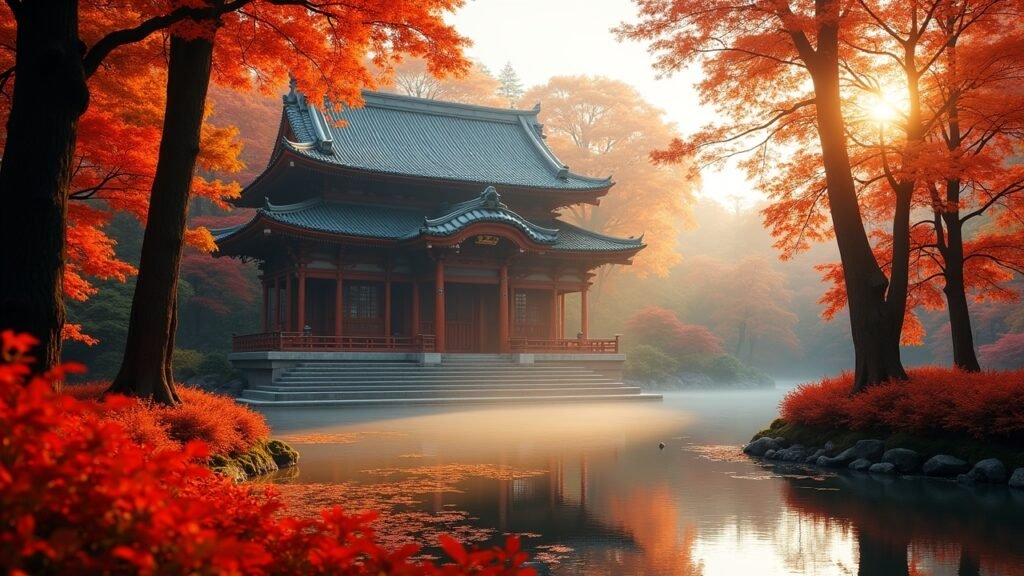
This is my personal favorite, and I’ll fight anyone who disagrees. Autumn in Japan is basically cherry blossom season’s cooler, less crowded sibling. The fall foliage — called koyo — turns temples and mountainsides into shades of red, orange, and gold that genuinely made me tear up a little.
Temperatures are comfortable, usually in the 50s and 60s°F, and the summer humidity finally backs off. November is prime time for autumn leaves in Kyoto and Tokyo, while northern areas like Nikko peak a bit earlier in October.
I visited Kyoto’s Tofukuji Temple in mid-November and it was honestly magical. Fewer selfie sticks in my face compared to spring, better weather, and the food — oh man, autumn Japanese cuisine hits different. Think roasted sweet potatoes from street vendors, seasonal ramen, and fresh persimmons.
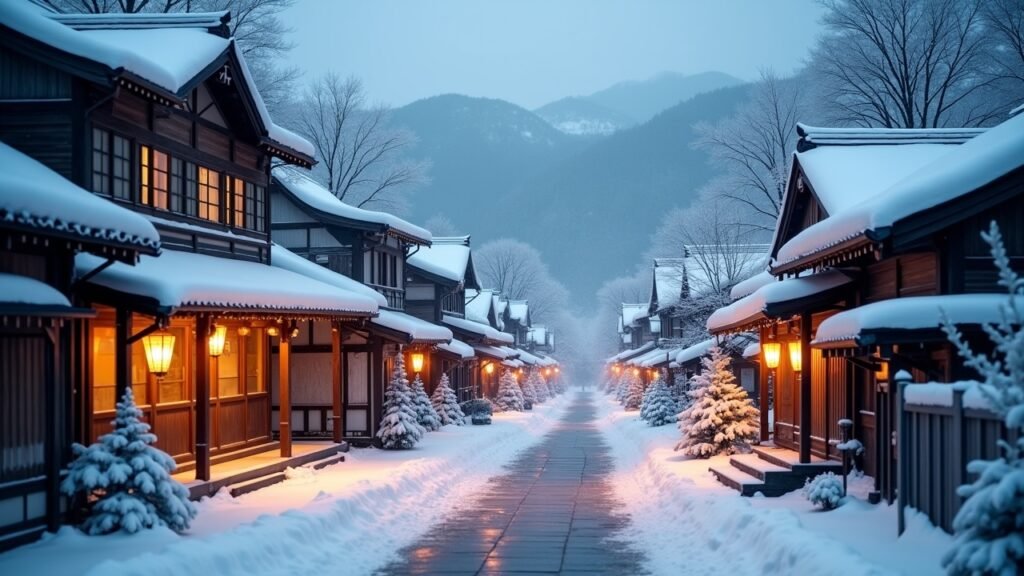
Winter: Snow Monkeys and Ski Slopes (December – February)
Winter gets overlooked and that’s a shame. If you’re into skiing or snowboarding, Japan has some of the best powder snow on the planet. Niseko and Hakuba are world-class resorts that draw snow sports enthusiasts from everywhere.
Then there’s the famous snow monkeys in Nagano, soaking in hot springs while snowflakes land on their heads. It’s as adorable as it sounds. Winter illuminations in Tokyo and Osaka are also stunning — cities get draped in millions of lights and it’s seriously romantic.
Advertisements
The downside? Some rural areas and hiking trails basically shut down. But cities stay vibrant and hotel prices drop significantly outside of New Year’s, which is a major holiday in Japan.
So When Should YOU Actually Go?
Honestly, there’s no single “best” time — it really depends on what you’re after. Cherry blossoms? Spring. Budget-friendly adventure? Summer or winter. My personal recommendation for first-timers is autumn, but your mileage may vary.
Whatever you choose, just don’t wing it like I did that first time. Do your research, check seasonal forecasts, and be respectful of local customs during busy periods. Japan rewards travelers who plan ahead.
Want more tips on planning unforgettable trips? Head over to Wander Tactics for more guides, itineraries, and travel stories from someone who’s learned most lessons the hard way!