Advertisements
Here’s a fun fact — Morocco welcomes over 14 million tourists a year, and I’m pretty sure half of them picked a better travel window than I did on my first trip. I landed in Marrakech in mid-August, and let me tell you, wandering through the medina in 110°F heat was not the vibe I had imagined. So yeah, figuring out the best time to visit Morocco actually matters more than you’d think!
Whether you’re dreaming of the Sahara Desert, the blue streets of Chefchaouen, or the bustling souks of Fez, timing your trip right can make or break the whole experience. Let me walk you through what I’ve learned — the hard way and the smart way.
Spring: March to May — The Sweet Spot
If you’re asking me point blank, spring is the best time to visit Morocco. Period. The weather across most of the country sits comfortably between 65°F and 80°F, which is just perfect for exploring cities, hiking the Atlas Mountains, or even doing a desert tour.
I visited in April on my second trip and it was a completely different experience. The gardens in Marrakech were blooming, the crowds weren’t unbearable, and I could actually enjoy a rooftop mint tea without melting. Plus, springtime brings some gorgeous wildflowers to the countryside — if you’re into that sort of thing, the Dades Valley is absolutely stunning.
One thing to keep in mind though — Ramadan sometimes falls during spring, depending on the year. It’s still totally fine to visit, but some restaurants close during the day, and the general pace of life slows down a bit. I actually found it to be a really respectful and beautiful time to experience Moroccan culture, just plan your meals accordingly.
Fall: September to November — The Underrated Pick
Autumn in Morocco is honestly a hidden gem. The summer heat starts to fade by late September, and the tourist crowds thin out compared to peak season. Temperatures hover around 70°F to 85°F in most regions, which is super manageable.
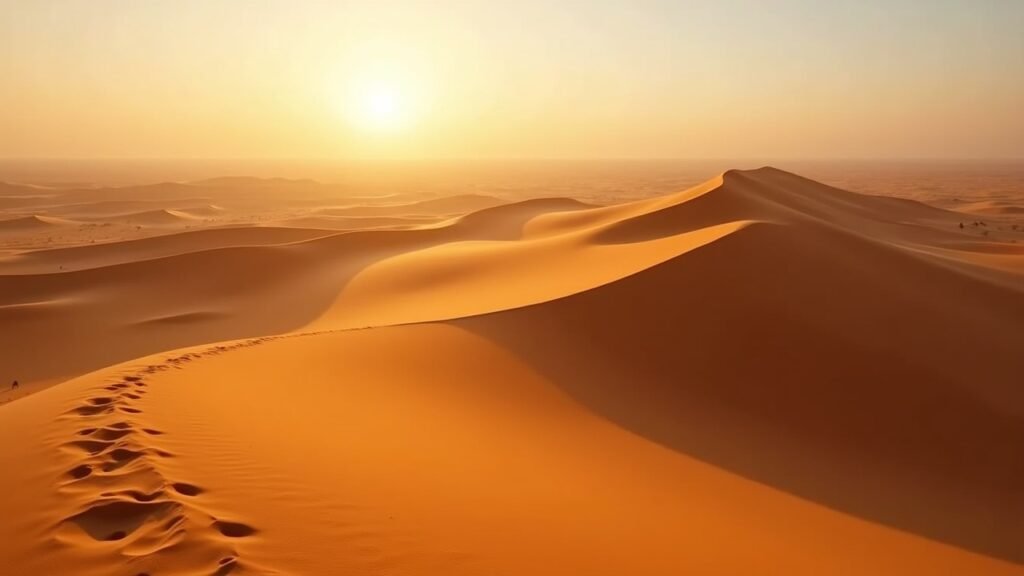
I did a Sahara Desert camp trip in October and it was magical. The nights were cool enough to actually sleep under the stars without sweating through my sleeping bag. If a Sahara experience is on your bucket list, fall is honestly the move.
Hotel prices tend to dip a little in autumn too, so your wallet will thank you. The only slight downside? November can get a bit rainy in the northern cities like Tangier and Chefchaouen, but nothing that a light jacket can’t handle.
Summer: June to August — Proceed With Caution
Look, I’m not gonna sugarcoat this. Summers in Morocco are brutal inland. Marrakech, Fez, and the desert regions can easily hit 105°F or higher. I made the rookie mistake of booking a full-day walking tour through the Fez medina in July and I was completely wrecked by noon.
That said, summer isn’t all bad. The coastal cities like Essaouira and Agadir stay much cooler, with temperatures around 75°F thanks to Atlantic breezes. So if you’re forced to travel in summer, just stick to the coast and you’ll be fine.
Winter: December to February — Cold but Charming
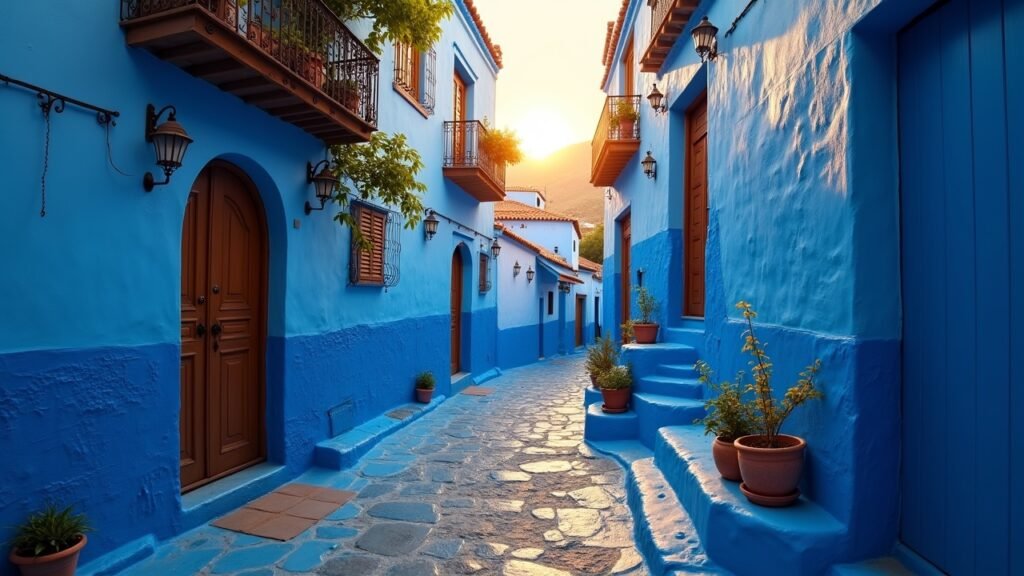
Winter in Morocco surprised me, honestly. Most people don’t realize it gets genuinely cold, especially in the mountains and desert at night. Temperatures in the Atlas Mountains can drop below freezing, and there’s even skiing at Oukaïmeden if that’s your thing.
Cities like Marrakech and Fez are pleasant during winter days — think mid-50s to low 60s — but evenings get chilly. It’s the cheapest time to visit though, and the lack of crowds at major sights was honestly a relief. I wandered through the Bahia Palace basically alone one December morning and it felt like I had the whole place to myself.
So When Should YOU Go?
Advertisements
The best time to visit Morocco really depends on what kind of trip you’re planning. Spring and fall are the safest bets for most travelers, but every season has its perks if you plan smart. My biggest advice? Don’t do what I did and just book flights without checking the forecast first.
Also, be respectful of local customs and traditions no matter when you go — Morocco is incredibly welcoming, and a little cultural awareness goes a long way. If you’re hungry for more destination guides and travel tips like this, make sure you check out the Wander Tactics blog for more honest, tried-and-tested advice. Happy planning!