Advertisements
Here’s a wild stat that blew my mind — Nepal receives over a million tourists a year, and nearly half of them show up during the exact same two months. I learned this the hard way when I landed in Kathmandu in October and could barely find a decent teahouse on the Annapurna Circuit because everything was packed. Timing your trip to Nepal is honestly one of the most important decisions you’ll make, and I wish someone had broken it down for me before I booked my flights!
Why Timing Matters More Than You Think
Nepal isn’t just one climate — it’s like five different worlds stacked on top of each other. You’ve got the steamy lowlands of the Terai, the temperate Kathmandu Valley, and then the brutal high-altitude zones near Everest. Each region reacts to the seasons completely differently, so the “best time” really depends on what you’re planning to do.
I made the rookie mistake of thinking Nepal weather was straightforward. It’s not. The monsoon season can literally wash out entire trails, while winter can shut down high mountain passes with snow and dangerous winds.
Autumn: The Golden Window (October – November)
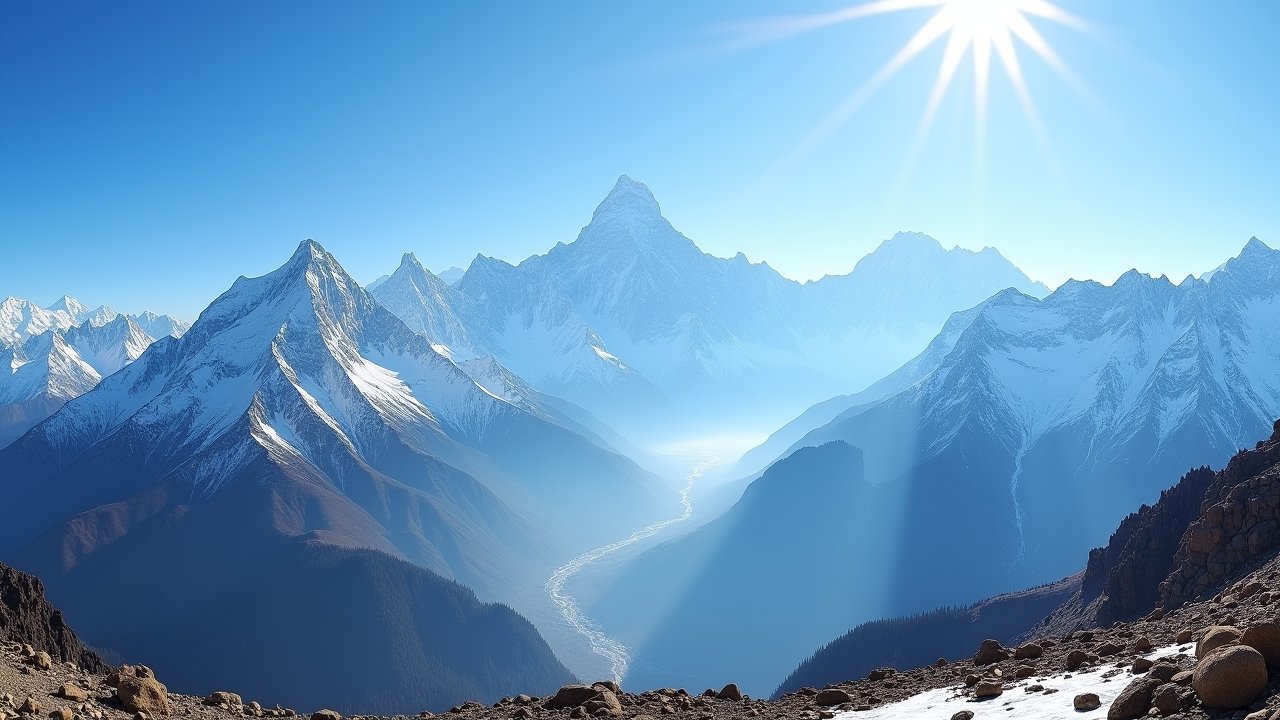
Let me be real — October and November are the best months to visit Nepal for most travelers. The monsoon rains have cleared out, the skies are ridiculously blue, and the Himalayan views are at their absolute sharpest. I remember standing at Poon Hill during sunrise in late October, and I could see everything from Dhaulagiri to Annapurna South without a single cloud in the way.
Temperatures are comfortable for trekking, sitting around 15-25°C in the mid-hills. The trails are dry and well-maintained, which makes this peak trekking season in Nepal. However, “peak” also means crowds and higher prices, so book your permits through official channels early.
Spring: The Runner-Up That Deserves More Love (March – May)
Spring is honestly underrated. The rhododendron forests explode in red and pink blooms, and the weather is warm enough to make trekking super pleasant — at least until late May when things start getting hazy. I trekked to Everest Base Camp in April once, and the wildflowers along the trail near Namche Bazaar were something I’ll never forget.
One downside though? Visibility isn’t as crisp as autumn. There’s more dust and haze in the air as temperatures rise, especially at lower elevations. But the tradeoff is fewer trekkers on popular routes like the Annapurna Circuit and Langtang Valley.
Monsoon Season: Proceed With Caution (June – September)
I won’t sugarcoat it — visiting Nepal during monsoon season is rough. Heavy rainfall causes landslides, leeches are everywhere on the trails, and flights to mountain airstrips like Lukla get cancelled constantly. I got stuck in Pokhara for three extra days once because the rain just wouldn’t quit.
That said, the rain shadow regions like Upper Mustang and Dolpo are actually fantastic during monsoon. These areas sit behind the Himalayan barrier and stay relatively dry. So if you’re an adventurous soul who doesn’t mind some unpredictability, monsoon travel in Nepal is possible — just plan accordingly.
Winter: Cold but Quiet (December – February)
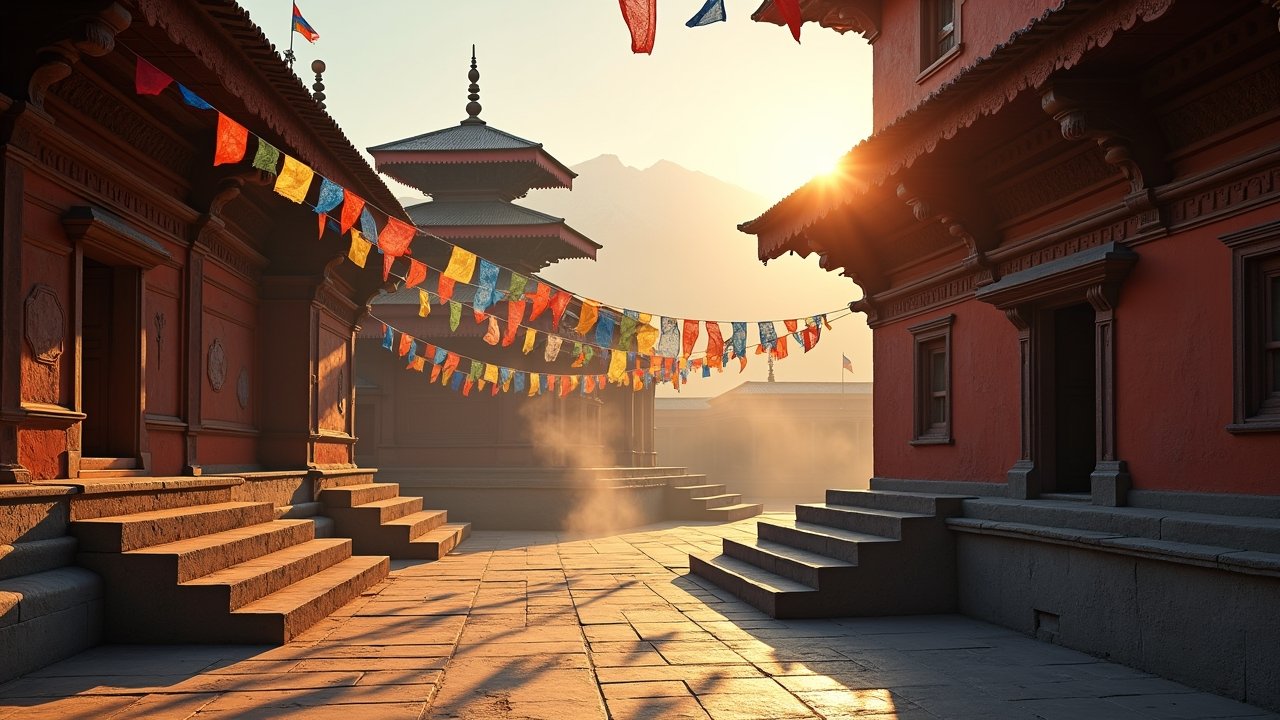
Winter in Nepal is a mixed bag. The Kathmandu Valley and lower-altitude treks are perfectly doable, with clear skies and very few tourists. I actually enjoyed visiting Bhaktapur in January because I practically had the temples to myself.
But high-altitude treks? That’s a hard no for most people. Passes above 5,000 meters are often closed due to heavy snowfall, and temperatures can drop to -20°C at night. Stick to lower elevation hikes like Ghorepani Poon Hill if you’re visiting during the Nepal winter season.
So When Should You Actually Go?
Look, the best time to visit Nepal ultimately depends on your priorities. Want perfect trekking weather and mountain views? Go in October or November. Prefer fewer crowds with blooming trails? March and April are your jam. Just please don’t wing it like I did my first time — a little planning goes a seriously long way.
Advertisements
Always check current trail conditions with the Nepal Tourism Board before you commit to anything, and make sure your travel insurance covers high-altitude trekking. Stay safe, be respectful of local communities, and leave no trace on those beautiful trails. If you’re hungry for more destination guides and travel planning tips, swing by the Wander Tactics blog — we’ve got plenty more where this came from!