Best Time to Visit Southeast Asia: A No-BS Guide From Someone Who Got It Wrong (More Than Once)
Advertisements
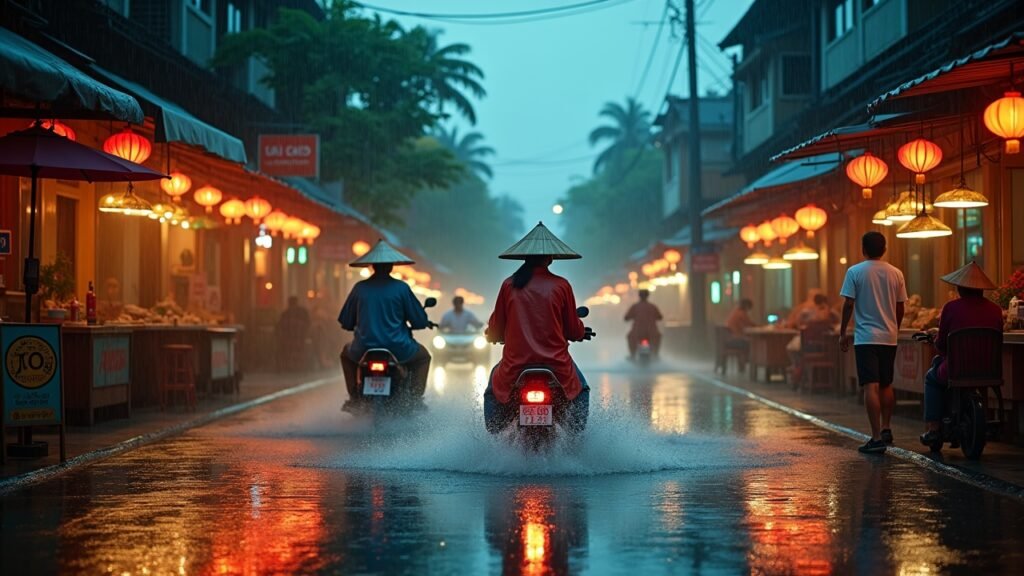
Here’s a fun stat that blew my mind — over 130 million tourists visited Southeast Asia in 2023 alone. And I’d bet good money that a chunk of them showed up during the wrong season and spent half their trip dodging monsoon rains in a soggy poncho. How do I know? Because I was one of those people back in 2018, standing in a flooded street in Bangkok wondering where my vacation went wrong!
Figuring out the best time to visit Southeast Asia is honestly one of the most important things you can do before booking flights. Get it right, and you’re rewarded with clear skies, cheaper hotels, and those jaw-dropping sunsets you see on Instagram. Get it wrong, and well… you’ll learn what “wet season” really means.
The General Rule: November to February Is Your Sweet Spot
If you want the short answer, the best time to travel to Southeast Asia is during the dry season, which runs roughly from November to February across most of the region. Temperatures are more manageable, humidity dips a bit, and rainfall is at its lowest. It’s basically the Goldilocks zone of Southeast Asian weather.
But here’s the thing — Southeast Asia is huge. We’re talking about countries like Thailand, Vietnam, Cambodia, Laos, Myanmar, Malaysia, Indonesia, the Philippines, and Singapore, each with their own little climate quirks. So “November to February” is a solid starting point, but it ain’t the whole picture.
Country-by-Country Breakdown (Because Details Matter)
Thailand
The cool and dry season from November to early March is peak time, especially for spots like Chiang Mai and the southern islands. I visited Koh Lanta in December once, and it was pure magic — calm seas, zero rain, perfect beach weather. January and February can get crowded though, so book early.
Vietnam
Vietnam’s a tricky one because the country stretches so far north to south. The south (Ho Chi Minh City, Mekong Delta) is best from December to April. Central Vietnam around Hoi An peaks from February to May. And the north? October to December is lovely but pack layers — Hanoi gets surprisingly chilly.
Cambodia and Laos
November through March is ideal for both. I explored Angkor Wat in late November and the crowds were thin, the weather was bearable, and everything was still lush and green from the rains that had just ended. Honestly one of my favorite travel memories ever.
Indonesia and the Philippines
For Bali and most of Indonesia, the dry season runs April to October — which is basically the opposite of everywhere else. The Philippines follows a similar-ish pattern, with December to May being the driest months. Typhoon season in the Philippines (roughly June to November) is no joke, so plan accordingly.
What About the Shoulder Season?
Okay, so this is where I actually think the real magic happens. The shoulder months — March, April, and October — are when you get fewer tourists, lower prices, and weather that’s still pretty decent. Sure, you might catch a random afternoon downpour, but those tropical rain showers usually pass in like 30 minutes.
I traveled through Laos in October a few years ago and had entire temples basically to myself. Hotels were half the price of peak season. Was it a little humid? Absolutely. Was it worth it? A thousand percent.
Monsoon Season Isn’t Always a Dealbreaker
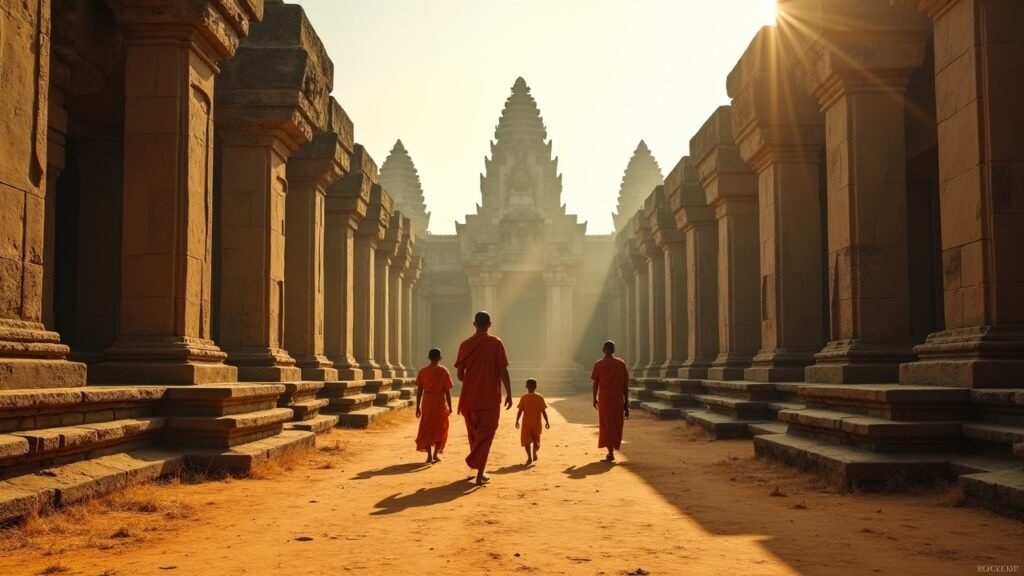
I used to think monsoon season meant nonstop rain for months. That’s not really how it works. In most Southeast Asian countries, the rainy season means heavy but short bursts of rain, usually in the afternoon. Mornings can be gorgeous and sunny. So if you’re on a budget and don’t mind a little unpredictability, traveling during the wet season (May to October in most areas) can actually be pretty rewarding.
Just maybe skip the Philippine typhoon belt during peak storm months. That’s a whole different level of “adventurous.”
Pack Your Bags at the Right Time
Advertisements
Look, there’s no single perfect month for all of Southeast Asia — the region’s just too diverse for that. Your best bet is to pick your destination first, then match the timing to that country’s dry season or shoulder period. And honestly, don’t stress it too much. Even my rain-soaked Bangkok disaster turned into a great story eventually.
If you want more destination guides and travel planning tips like this, head over to Wander Tactics and poke around — there’s plenty more where this came from!