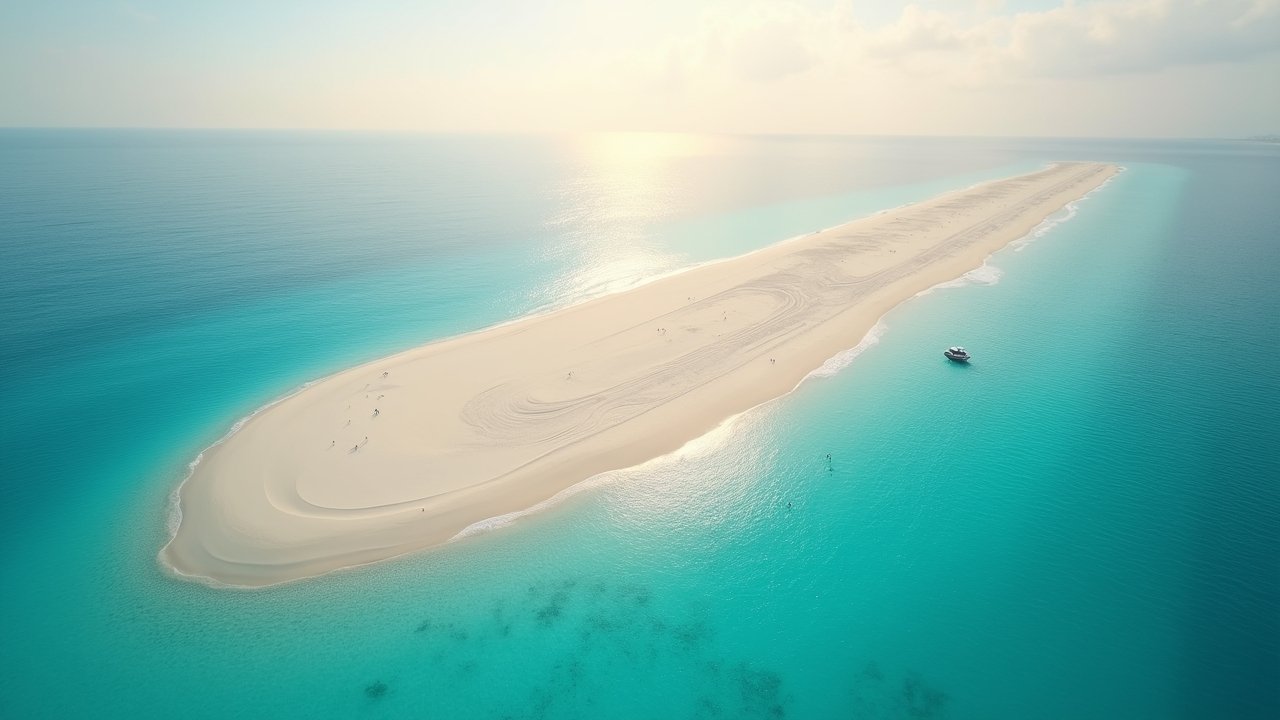

Best Time to Visit Maldives: What I Learned After Booking the Wrong Month
Advertisements
Here’s a fun stat that nobody told me before my first trip — the Maldives gets roughly 2,500mm of rainfall a year, and I managed to land smack in the middle of the wettest stretch. Yep, I’m that person. If you’re dreaming about crystal-clear lagoons, overwater bungalows, and sunsets that look photoshopped, then knowing the best time to visit Maldives is honestly the difference between a dream vacation and a soggy disappointment!
I’ve been twice now — once during the wrong season and once during the right one — so trust me, I’ve got opinions. Let me walk you through everything so you don’t repeat my mistakes.
Dry Season vs. Wet Season: The Basics You Need to Know
The Maldives has two main seasons driven by monsoon winds. The northeast monsoon (called Iruvai) runs roughly from November to April and brings dry, sunny weather. This is widely considered the peak season and, honestly, the best time for most travelers.
Then there’s the southwest monsoon (Hulhangu), which stretches from May to October. This is when storms roll in, humidity spikes, and the seas get choppier. I visited in June my first time and spent three days watching rain hammer my villa’s deck — not exactly the Instagram content I was hoping for.
The Maldives Meteorological Service is a solid resource if you want to geek out on weather patterns before booking.
November to April: The Sweet Spot for Most Travelers
If you want guaranteed sunshine, calm waters, and incredible underwater visibility for snorkeling and diving, November through April is your window. I went back in February and it was like visiting a completely different country. Blue skies every single day.
Water visibility during dry season can reach 30 meters or more, which is insane for spotting manta rays and whale sharks. My second trip included a snorkeling excursion near South Ari Atoll and I literally cried inside my mask when a whale shark glided past. No shame.
The downside? Prices. Peak season means premium rates at resorts, and popular spots like Malé and Maafushi get crowded. December and January are especially pricey because of holiday travelers. If budget is a concern, aim for November or late March — still dry, slightly cheaper.
May to October: Budget-Friendly but Risky
Now, I won’t lie — the wet season isn’t all bad. Resort prices can drop by 30-50%, which is huge when you’re talking about places that charge $500+ a night. Some surfers actually prefer this period because the southwest swells create better waves.
The rain doesn’t fall all day every day either. You’ll often get bursts of heavy rain followed by sunshine. It’s just unpredictable, and that unpredictability was what drove me nuts during my June trip. One morning would be gorgeous and by lunch we was stuck indoors watching a tropical downpour.
If you’re a diver, visibility drops and currents get stronger during the wet monsoon. Not ideal for beginners, honestly.
Quick Breakdown by Activity
- Snorkeling & Diving: January to April for the best visibility and calm seas
- Surfing: June to September when southwest swells peak
- Honeymoon & Relaxation: November to March for consistent sunshine
- Budget Travel: May to October for lower resort prices
- Whale Shark Spotting: Year-round in South Ari Atoll, but dry season is more reliable
A Few Things I Wish Someone Had Told Me
Book your seaplane transfers early — especially during peak season, these fill up fast and they’re often the only way to reach remote atolls. Also, travel insurance is non-negotiable. A friend got a coral cut that needed medical attention on the mainland, and the speedboat transfer alone was expensive.
Advertisements
Oh, and one more thing. The Maldives is a Muslim country, so if you’re staying on a local island instead of a private resort, be respectful of local customs. Bikinis are typically only acceptable on designated tourist beaches. It’s a small detail that matters.
Your Perfect Maldives Trip Starts With Good Timing
Look, the Maldives is stunning no matter when you go — but the best time to visit Maldives for most people is clearly between November and April. That dry season sunshine just hits different. If you’re flexible on dates and want to save money, the shoulder months of November and late April give you a nice balance of weather and value.
Tailor these tips to your priorities — whether that’s diving, surfing, or just doing absolutely nothing on a sandbank. Everyone’s dream trip looks a little different, and that’s the beauty of it. Just please, for the love of everything, check the weather forecast before you book. Don’t be like first-trip me.
Want more travel tips and destination guides like this? Head over to Wander Tactics and start planning your next adventure — we’ve got plenty more where this came from!