
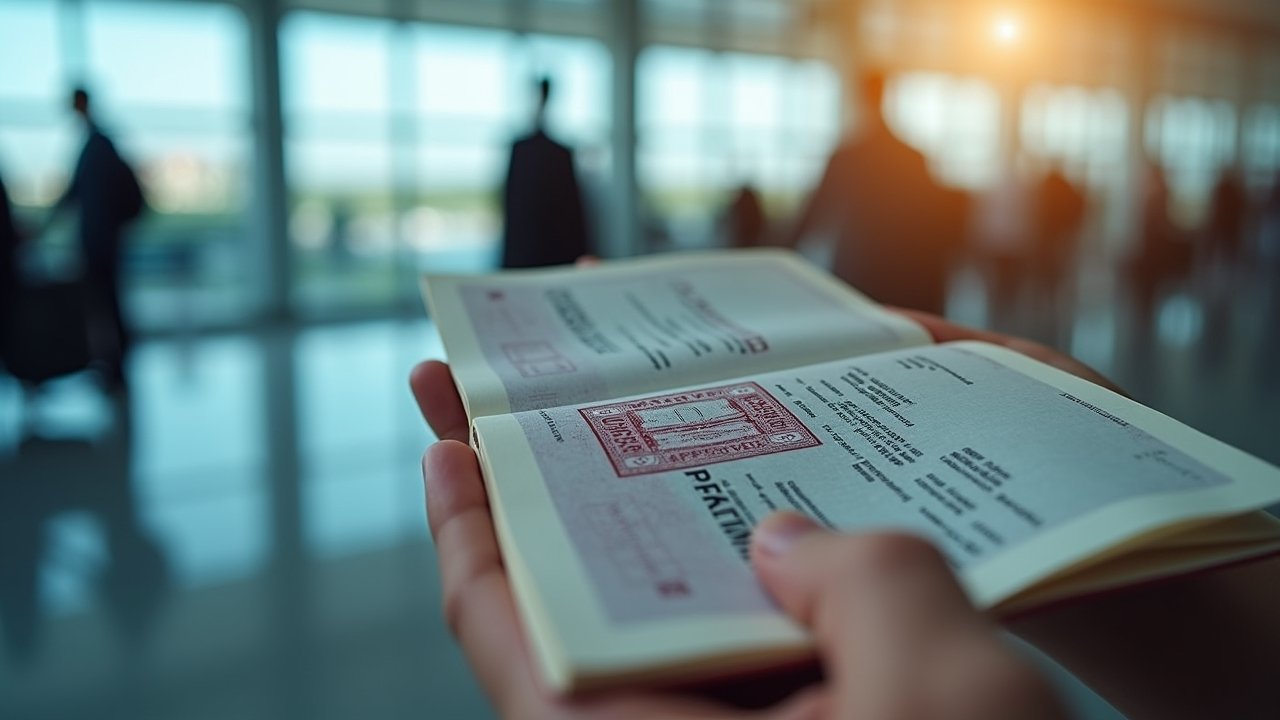
How to Get a Travel Visa: A Real-World Guide From Someone Who’s Messed It Up
Advertisements
Here’s a fun stat that blew my mind — over 10 million U.S. passport holders get their visa applications delayed or denied every single year, mostly because of simple, avoidable mistakes. I know this because I was one of them back in 2019 when I tried to visit India and completely botched my application. Let me save you from that headache!
Getting a travel visa doesn’t have to be some terrifying bureaucratic nightmare. But honestly, it kinda feels like one if you don’t know what you’re doing. That’s exactly why I wrote this — to walk you through the whole process like a friend who’s been there and screwed it up so you don’t have to.
First Things First: Do You Even Need a Visa?
This sounds obvious, but you’d be surprised how many people skip this step. I once spent three hours filling out a visa application for Costa Rica before realizing Americans don’t even need one for short stays. Total facepalm moment.
The easiest way to check is by visiting the U.S. State Department’s travel page and looking up your destination country. Many countries offer visa-free entry, visa on arrival, or electronic travel authorizations like the ETIAS for Europe coming in 2026. So before you do anything else, just double-check your passport country’s agreements with wherever you’re headed.
Understanding the Different Types of Travel Visas
Not all visas are created equal, and picking the wrong type is a rookie mistake I’ve seen way too often. Here’s a quick breakdown of the most common ones:
- Tourist visa — For sightseeing, visiting family, or just chilling on a beach.
- Business visa — For meetings, conferences, or professional events.
- Transit visa — When you’re just passing through a country to get somewhere else.
- Student visa — For enrolling in educational programs abroad.
- Work visa — When you’ve got a job offer in another country.
Most folks reading this probably need a standard tourist visa, which is generally the simplest to get. But seriously, make sure you apply for the right category because applying for the wrong one can get your whole application rejected.
The Step-by-Step Visa Application Process
Okay, here’s where the rubber meets the road. I’m gonna lay this out exactly how I wish someone had explained it to me before my India trip disaster.
Step 1: Gather your documents. You’ll typically need a valid passport (with at least six months before expiration), passport-sized photos, proof of accommodation, a return flight itinerary, bank statements, and sometimes a letter of invitation. I got rejected once because my passport was expiring in four months. Four months! Apparently that wasn’t enough.
Step 2: Fill out the application form. Most countries now have online visa application portals, which is a blessing. Some still require you to visit the embassy or consulate in person, though. Take your time with the form — one typo in your passport number and you’re toast.
Step 3: Pay the visa fee. Fees vary wildly depending on the country and visa type. A service like iVisa can help streamline applications for many destinations, though they charge a convenience fee on top.
Step 4: Attend your visa interview (if required). Countries like the U.S. are famous for this, but many tourist visas don’t require one. If you do have an interview, just be honest, dress decent, and bring all your paperwork organized in a folder.
Step 5: Wait. Processing times range from 24 hours for some e-visas to several weeks for embassy-processed applications. Apply early — I’m talking at least 4 to 6 weeks before your trip.
Mistakes That Will Get Your Visa Denied
Advertisements
Learn from my pain, people. Here are the biggest blunders I’ve either made myself or watched friends make:
- Submitting blurry or wrong-sized passport photos.
- Not showing enough funds in your bank account.
- Leaving sections of the application blank.
- Applying too close to your travel date.
- Having an expired or soon-to-expire passport.
That bank statement thing is no joke, by the way. Some countries want to see that you can financially support yourself during your stay. It was embarrassing when I had to explain to the Brazilian consulate why my account looked so thin — turns out I’d just bought a used car that week. Timing is everything.
Your Passport to Stress-Free Travel Starts Now
Look, the visa application process isn’t rocket science, but it does require some patience and attention to detail. Every country has its own quirks and requirements, so always check the specific embassy website for your destination before assuming anything.
Tailor this advice to your own situation — your nationality, your destination, and your travel purpose all matter. And please, don’t try to game the system or provide false information on your application. That stuff follows you and can result in being banned from entering a country entirely.
If you found this helpful, there’s plenty more where it came from. Head over to Wander Tactics for more travel tips, destination guides, and real-talk advice from someone who’s learned most of this the hard way. Now go get that visa and start packing!