Advertisements
Here’s a wild stat that still makes me cringe: I once lost nearly $200 in a single day just from bad currency exchange decisions in Bangkok. Two hundred bucks! That’s like a week’s worth of street food and hostel stays gone in a flash. Managing money while traveling is one of those things nobody really teaches you, and honestly, you end up learning most of it the hard way. But it doesn’t have to be that painful, I promise.
Why Your Travel Budget Falls Apart (And How to Stop It)
Look, I’ve been traveling on and off for about eight years now, and the biggest money mistake I see people make is simply not having a daily spending limit. It sounds basic, but you’d be surprised. When you’re caught up in the excitement of a new city, swiping your card at every cute café feels totally justified until you check your bank app later that night.
What worked for me was breaking my total trip budget into daily allowances. So if I had $1,500 for a two-week trip, that’s roughly $107 a day for accommodation, food, transport, and activities. Some days you’ll spend less, some days more, but having that number in your head keeps you grounded.
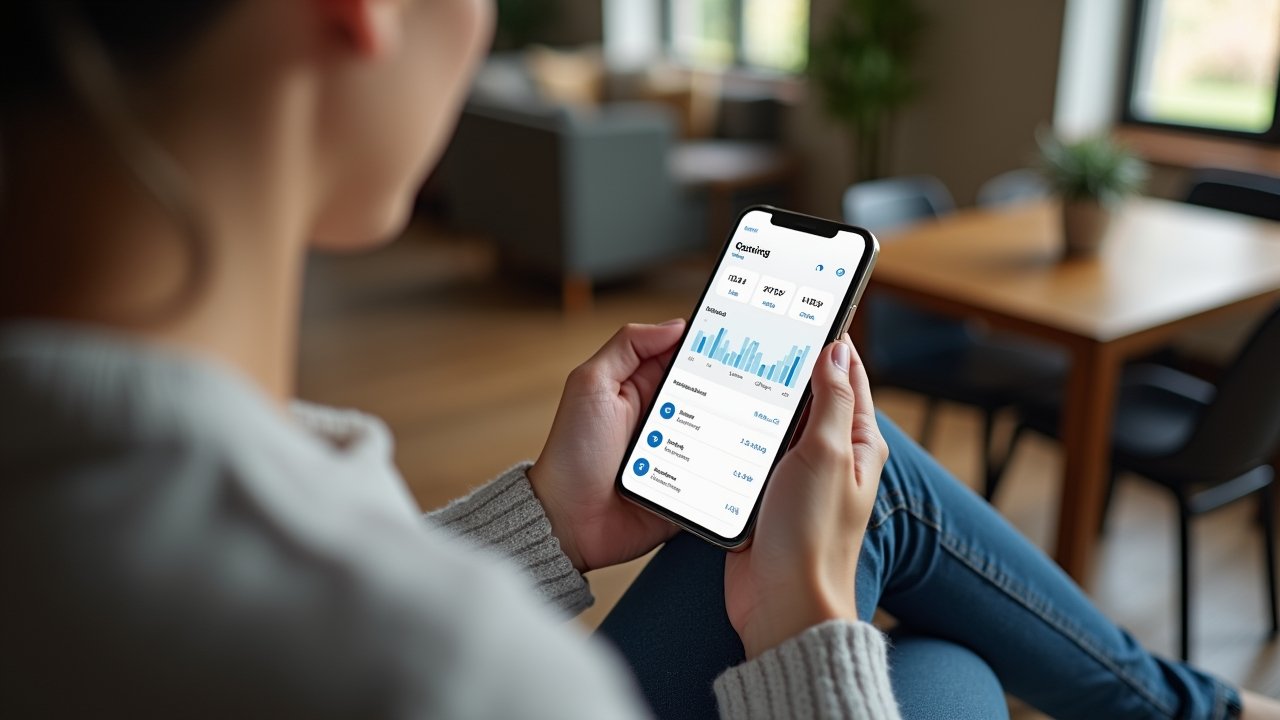
Apps like Tricount or Splitwise are absolute lifesavers for tracking expenses on the go, especially if you’re traveling with friends and splitting costs.
The Card Situation: Don’t Get Wrecked by Fees
Okay, this one still frustrates me. I used to travel with my regular bank debit card and got hammered with foreign transaction fees every single time. We’re talking 3% here, 5% there. It adds up fast and it’s basically throwing money away.
Eventually I switched to a Wise multi-currency account, and honestly it was a game changer. You get the real exchange rate, minimal fees, and you can hold multiple currencies at once. Some folks swear by Charles Schwab’s debit card too since they reimburse all ATM fees worldwide.
My tip? Always carry at least two different cards from different banks when you travel. I had my primary card blocked in Peru once because the bank thought it was fraud, and my backup card literally saved me from being stranded without cash.
Cash vs. Card: The Eternal Debate
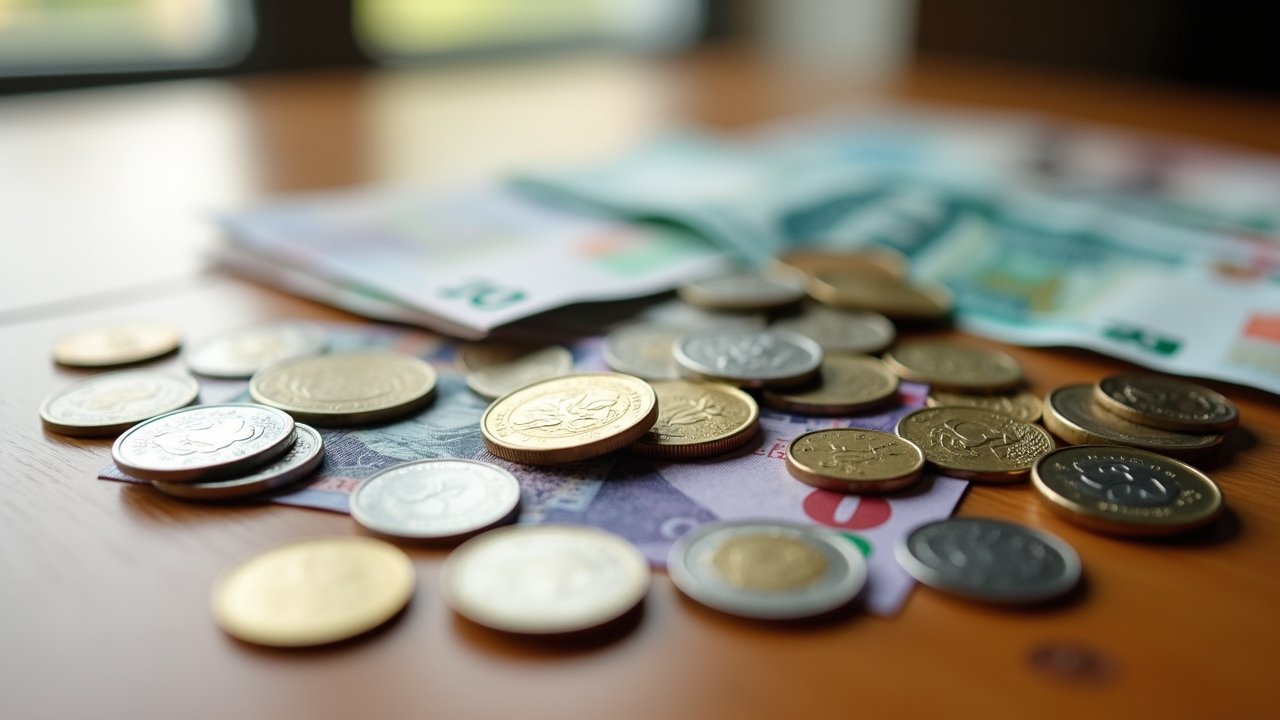
This depends so much on where you’re going. In places like Japan or rural Southeast Asia, cash is still king. Meanwhile, in Scandinavia, some shops won’t even accept physical money anymore. You gotta do your research before you land.
I usually follow a simple rule: carry enough local currency for two days of basic expenses and keep the rest accessible via card. And please, for the love of all things holy, don’t exchange money at the airport. The rates are absolutely terrible. I learned that one in London—still hurts to think about it.
Quick Money Safety Tips
- Split your cash between your daypack, luggage, and a hidden money belt.
- Never keep all your cards in one place.
- Set up transaction alerts on your banking app so you catch any weird charges immediately.
- Take a photo of your card numbers and bank’s emergency phone number—store it somewhere secure like a password manager.
Saving Money Without Being Cheap
There’s a difference between being budget-conscious and being that person who argues over fifty cents at a market in a developing country. Don’t be that person. Bargaining is fine when it’s culturally appropriate, but squeezing every last penny from a local vendor making $5 a day ain’t it.
Instead, save money where it actually matters. Book accommodation with free cancellation in case plans change. Eat where locals eat, not in the tourist strip. Use public transportation instead of taxis. These small decisions compound into real savings over a multi-week trip.
Your Wallet Will Thank You Later
At the end of the day, learning to manage money while traveling is really about being intentional without sucking the fun out of your trip. Set a budget, pick the right banking tools, keep your cash safe, and spend mindfully. Every traveler’s situation is different though, so tweak these tips to fit your style and destination.
Advertisements
And hey, always be careful with your financial info on public Wi-Fi networks—use a VPN when checking your bank accounts abroad. Stay smart out there. If you want more practical travel tips like these, swing by the Wander Tactics blog. We’ve got plenty more where this came from!