
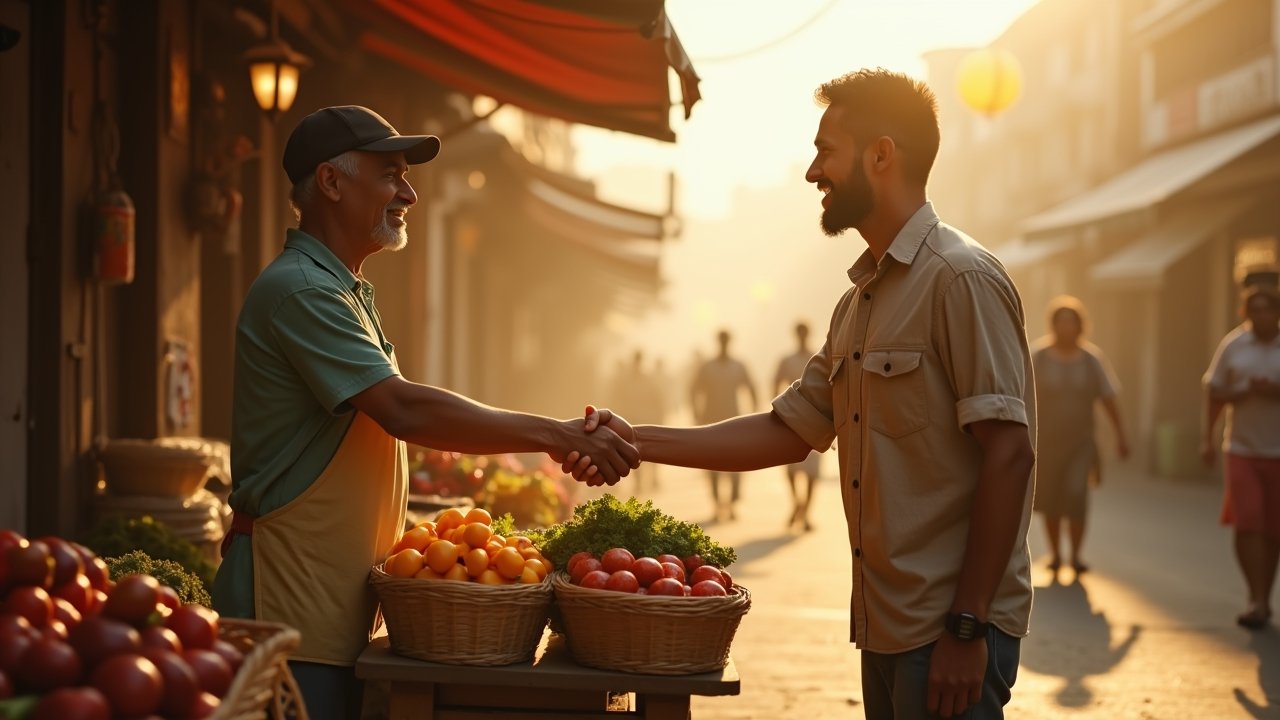
How to Negotiate While Traveling: Real Tips That Actually Work
Advertisements
Here’s a stat that blew my mind — travelers who negotiate can save up to 40% on purchases in markets across Southeast Asia, Latin America, and North Africa. I learned this the hard way after overpaying for a leather bag in Marrakech by about triple what it was worth. Honestly, it still stings a little! If you’re someone who freezes up the moment a vendor throws out a price, trust me, you’re not alone. But learning how to negotiate while traveling is one of those skills that transforms your entire trip — saving you money, building connections with locals, and honestly just making you feel like a total boss.
Why Haggling Isn’t Rude (It’s Expected)
So let me clear this up right away. In many cultures, bargaining is not just accepted — it’s part of the social fabric. I remember walking through a souk in Fez and a shopkeeper literally looked disappointed when I paid the first price he quoted.
He wanted the back-and-forth. It’s like a dance, and by skipping it, I was being the weird one. In places like Thailand, Mexico, Turkey, and much of Africa, the initial asking price is often inflated specifically because vendors expect you to counter. Not negotiating can actually come across as disinterested or even a bit rude.
Do Your Homework Before You Start
One of the biggest mistakes I made early on was walking into negotiations completely blind. I had no clue what a fair price looked like, so I’d either lowball insultingly or accept something ridiculous. Now I always do a quick search on forums like TripAdvisor or Reddit travel threads before heading to a market.
Knowing the approximate local price gives you a solid anchor point. You don’t need exact numbers — just a ballpark. Even asking your hotel receptionist what something should cost can save you from getting totally ripped off.
My Go-To Negotiation Strategy
Alright, here’s the approach that’s worked for me across maybe 30 countries at this point. It ain’t fancy, but it gets results.
- Start at about 40-50% of the asking price. This gives you room to meet somewhere reasonable in the middle.
- Always smile and keep it friendly. This is a conversation, not a confrontation. Nobody wants to sell to someone being aggressive.
- Be willing to walk away. This is the single most powerful tool in your arsenal. I can’t tell you how many times I’ve been called back with a better offer after heading for the door.
- Use cash. Vendors are way more flexible when they see physical money. Cards mean fees for them, so cash literally gives you leverage.
- Bundle items together. Buying multiple things? Ask for a group discount. It works more often than you’d think.
Know When NOT to Negotiate
This is something that took me a while to figure out. There are situations where haggling is just inappropriate. Fixed-price shops, restaurants, museums — these are not the places to start bargaining. Also, if someone is selling handmade crafts and the price is already clearly fair, pushing for a lower number feels kinda gross.
I once tried to haggle with an elderly woman selling handwoven scarves in Guatemala for what was already like $4. My travel buddy gave me this look that said everything. Sometimes the “deal” isn’t worth the moral cost, you know?
Language Goes a Long Way
Learning even a few phrases in the local language is like a cheat code. When I stumbled through some basic Thai phrases at a night market in Chiang Mai, the vendor’s face lit up and she immediately dropped the price without me even asking. People appreciate the effort. Even just knowing “how much” and “too expensive” in the local tongue puts you miles ahead of other tourists.
Your Next Trip Starts With Better Skills
Look, negotiating while traveling isn’t about squeezing every last penny out of someone who’s probably making way less than you. It’s about participating in a cultural exchange, being respected as a savvy traveler, and yeah — keeping more money in your pocket for the next adventure. Adapt these tips to your own comfort level and the specific country you’re visiting.
Always be respectful, always be fair, and remember that a good deal is one where both sides walk away happy. If you enjoyed this and want more practical travel advice, head over to Wander Tactics — we’ve got tons of posts designed to make your next trip smarter and smoother!