
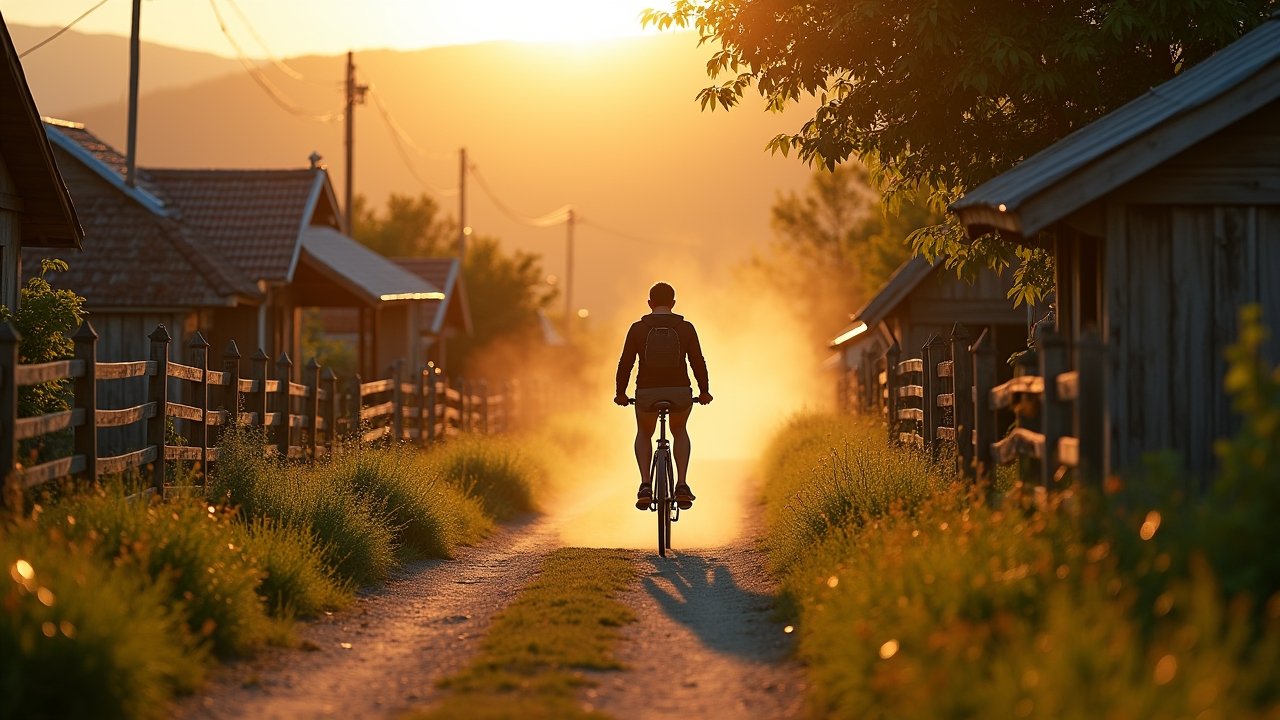
The Slow Travel Guide: Why I Stopped Rushing and Finally Started Actually Seeing the World
Advertisements
Here’s a stat that honestly shook me: the average tourist spends just 8 seconds looking at the Mona Lisa. Eight seconds! I used to be that person — sprinting through cities with a checklist, snapping photos of landmarks I barely registered, and somehow coming home from vacation more exhausted than when I left. Then I discovered slow travel, and it completely rewired how I experience new places.
Slow travel is more than a trend. It’s a philosophy that prioritizes depth over breadth, connection over consumption, and actually living in a destination rather than just passing through it. And honestly? It’s saved my sanity and my wallet.
What Exactly Is Slow Travel?
At its core, slow travel means spending more time in fewer places. Instead of hitting five countries in two weeks, you might spend those same two weeks in a single region of Portugal. You cook meals with local ingredients, take the bus instead of flying, and let yourself get wonderfully lost in neighborhoods that aren’t in any guidebook.
The concept was actually inspired by the Slow Food movement that started in Italy back in the 1980s. Same idea, different application — rejecting the “fast” version of something in favor of a more intentional, mindful approach. I stumbled onto this whole mindset by accident when a flight got cancelled in southern Spain and I was stuck in a tiny town called Frigiliana for four extra days.
Best cancellation of my life, honestly.
How I Messed Up My First Attempt (And What I Learned)
So after that magical accident in Spain, I tried to “do” slow travel intentionally on my next trip to Japan. I booked three weeks in Kyoto and figured I’d just… wing it. No plans, no structure, pure vibes. Terrible idea.
By day four, I was bored and frustrated. I hadn’t connected with anyone, I was eating convenience store onigiri for every meal, and I felt like I was wasting precious time abroad. The thing nobody tells you is that slow travel still requires some planning — just a different kind. You need a loose framework, not an empty calendar.
What finally worked was booking a weekly cooking class, finding a local café where I became a regular, and signing up for a community volunteer day through Workaway. Those anchor activities gave my days shape without making them feel rushed.
Practical Tips for Your Own Slow Travel Journey
Alright, let me share what I’ve figured out after several trips done this way. These are the things that actually make a difference:
- Stay at least one week per destination. Anything shorter and you’re still in tourist mode. Your brain needs about three days just to decompress and stop sightseeing on autopilot.
- Rent apartments instead of hotels. Platforms like Vrbo or even local rental sites give you a kitchen, a neighborhood, and a reason to visit the morning market.
- Use ground transportation. Trains, buses, ferries — they’re slower but the journey becomes part of the experience. Plus, your carbon footprint shrinks dramatically.
- Learn at least 20 phrases in the local language. Even badly pronounced ones. People light up when you try, and doors open that stay shut for the average tourist.
- Leave full “nothing” days in your itinerary. Some of my best travel memories happened on days where the only plan was to wander and see what happened.
- Shop local markets for food. It’s cheaper, it’s fresher, and there’s something deeply satisfying about making a meal with ingredients you bought from a farmer that morning.
The Budget Myth That Needs to Die
People assume slow travel is expensive because you’re gone longer. But here’s the thing — it’s almost always been cheaper for me. Weekly apartment rentals cost a fraction of nightly hotel rates. Cooking most meals saves a fortune. And when you’re not rushing between cities, you cut out tons of transportation costs.
On my last month-long trip through rural France, I spent less than I would have on a packed ten-day vacation hitting Paris, Nice, and Lyon. The math just works differently when you slow down.
The Part Where I Tell You to Just Go Do It
Look, slow travel isn’t for every trip or every person. Sometimes you only have five days and you want to see Rome — go see Rome! But if you’ve ever come home from a vacation feeling like you need a vacation from your vacation, this approach might be exactly what’s missing.
Advertisements
Start small. Pick one destination on your next trip and give it an extra few days. Walk without Google Maps sometimes. Say yes to the weird local festival you stumble across. Be a temporary local instead of a permanent tourist.
And remember to travel responsibly — respect local customs, support small businesses over chains, and tread lightly on the places generous enough to welcome you. If you’re looking for more ideas on how to travel with more intention and less stress, come explore more posts over at Wander Tactics. We’re all figuring this out together.